Growing up I thought I hated salmon. We only ever kept smoked salmon in the house, because it was one of my Dad’s favorite sandwich fillings, but I could never get over the firm, underdone jerky type texture and the overly fishy smell. My distaste for smoked salmon kept me from trying any other form of salmon for a long time, longer than I care to admit (mostly because it makes me sad to think of all the years I went salmonless), despite being a lover of other seafood. The mental block I had in my brain just refused to allow me to try it in any other form.
It wasn’t until years later and a move across the Atlantic that I dared tried salmon again. Nothing special, just a simply seasoned fillet with a side of veg that someone I don’t remember had cooked for dinner, and despite my stubborn mind telling me I would hate it and to push the plate away I bravely took a bite. The soft, flakey texture and milder flavour was a complete contrast to the strong, fishy taste I knew from smoked salmon, and in that very moment I was converted to a salmon lover.
Shortly after I moved out, I became a pescatarian, having cut chicken out of my diet (I had stopped eating red meat years before). This meant I was eating seafood more than ever before, and that included copious amounts of salmon – my new favorite fish. You could find thick, flaky salmon filets on my plate twice a week almost every week for years, always skin on, always baked. I never became a fan of pan seared salmon, preferring mine to be more on the well done side (sushi not included), and other applications I tried (like curried or in chowders) just seemed to mask the salmon too much for me to enjoy it. I started out cooking it in the most traditional fashion – salt, pepper, dill or parsley, and a little lemon. And it’s true what they say about the basics – they’re timeless for a reason. Timeless, but also maybe a little bit boring. I started experimenting more and more with different rubs and seasonings, some specifically made for fish, some more experimental, and some were great – others not so much.
I developed this recipe sometime during the winter, when a lot of my cooking revolves around boosting my immune system up as much as I possibly can. Ginger, garlic, nuts, and leafy greens are added to recipes in abundance during the colder months in my house, helping to fight off any nasty cold and flu germs that make their way into my system. So I started working with these ingredients every time I pulled a piece of salmon out to eat, mixing and matching seasonings and experimenting with the seasoning application method to make a final result that not only tasted great, but also kicked my immune system into overdrive.
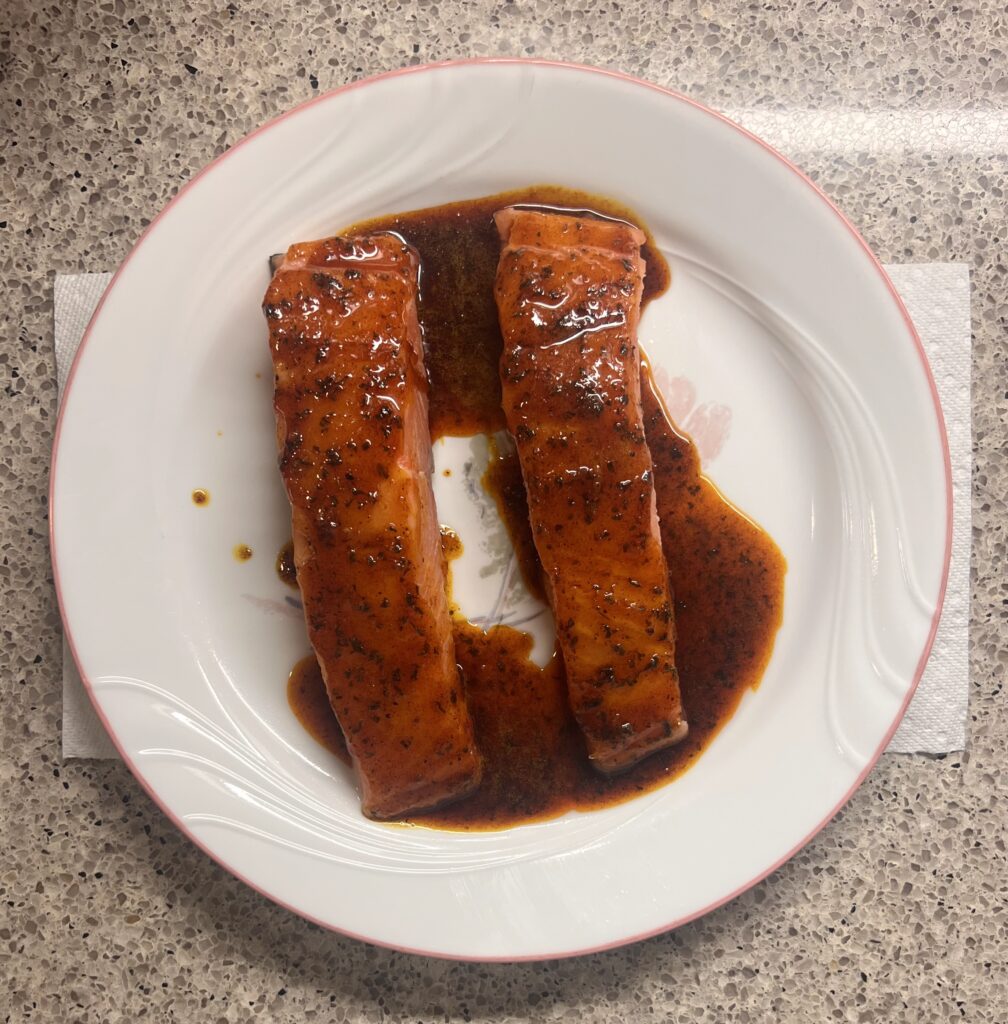
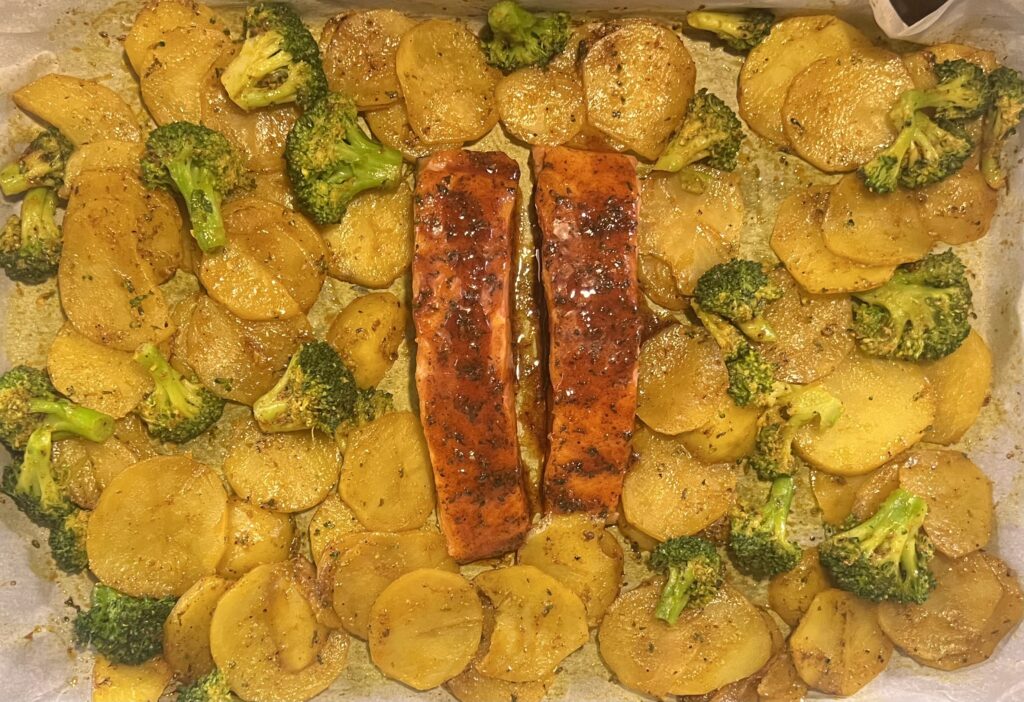
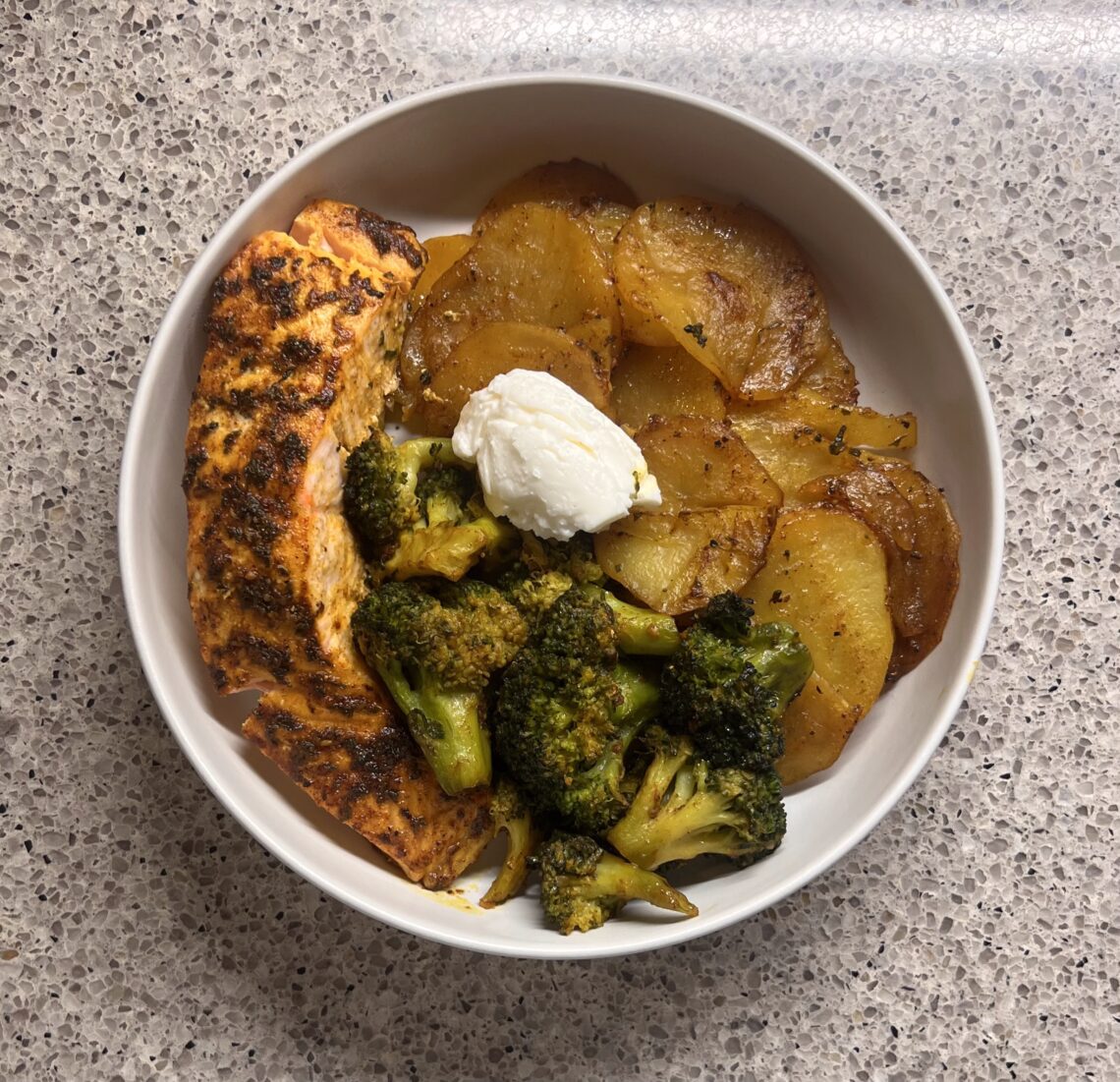
The first lightbulb went off when I found that the best way of applying spices to salmon is in the form of a butter sauce. Pre-mixing the aromatics and spices with the melted butter makes for easy application, not only to the salmon but to whatever veg you want to serve up on the side. The second lightbulb went off when I found the perfect blend of cozy, warming, immune-boosting seasonings to mix into the butter. The key missing ingredient was turmeric – a super-spice known for its anti-inflammatory and immune strengthening powers, and a favourite seasoning of mine to use in the winter months. It also happens to pair wonderfully with garlic, chilli, and paprika, which together create the most rich, delicious butter sauce packed with goodness. This succulent sauce goes on top of everything in this dish – salmon and sides, to create a finished plate of yummy food that is bound to be a hit with your loved ones.
Ingredients:
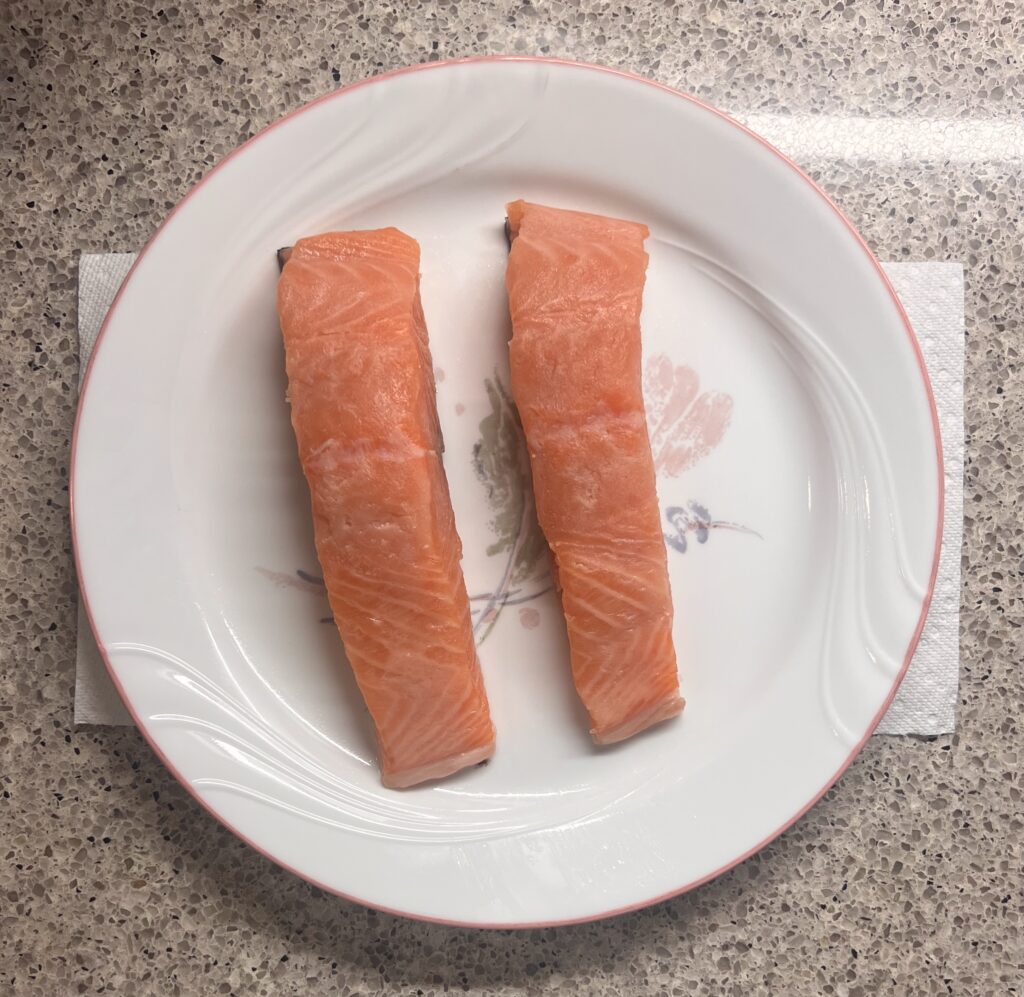
2 5 oz pink salmon fillets
3 – 4 medium yukon gold potatoes, peeled and sliced into 1/2 inch slices
1 head of broccoli, cut into medium sized florets
2 tbsp of butter
2 tbsp oil
2 tsp salt, divided
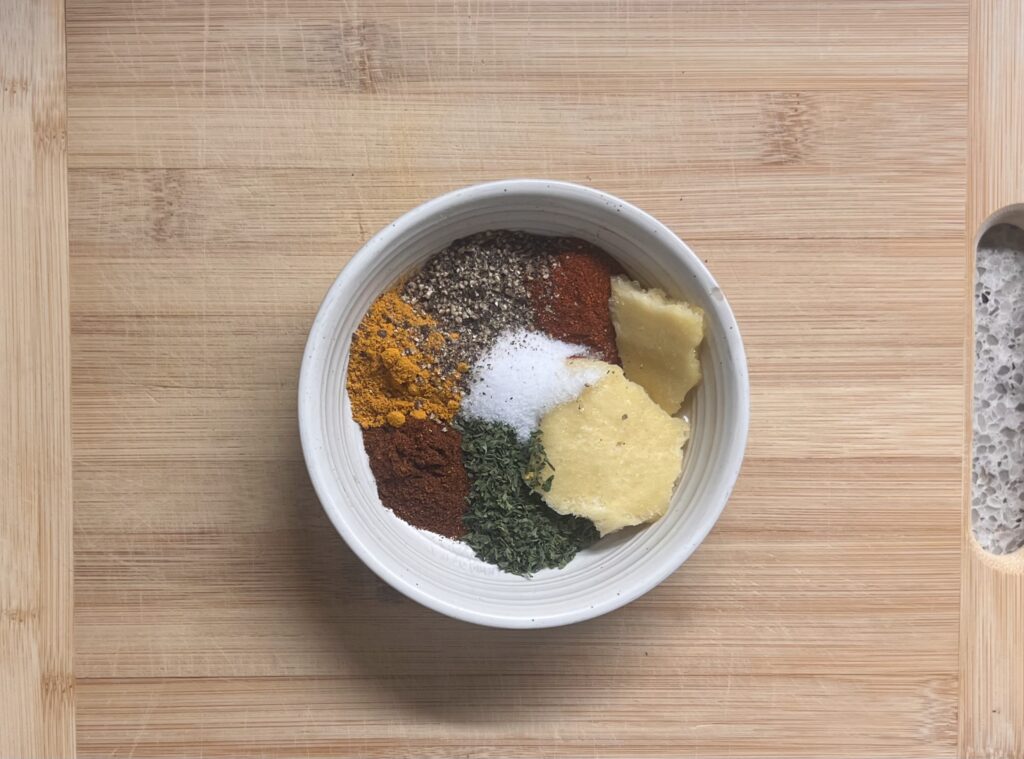
1 tsp chili powder
1 tsp turmeric
1 tsp dried parsley
1 tsp cracked black pepper
1 tsp paprika
4 – 5 cloves garlic, minced
4 tbsp lemon juice
Method:
- Preheat the oven to 450 degrees fahrenheit.
- Douse the salmon filets in lemon juice and set aside.
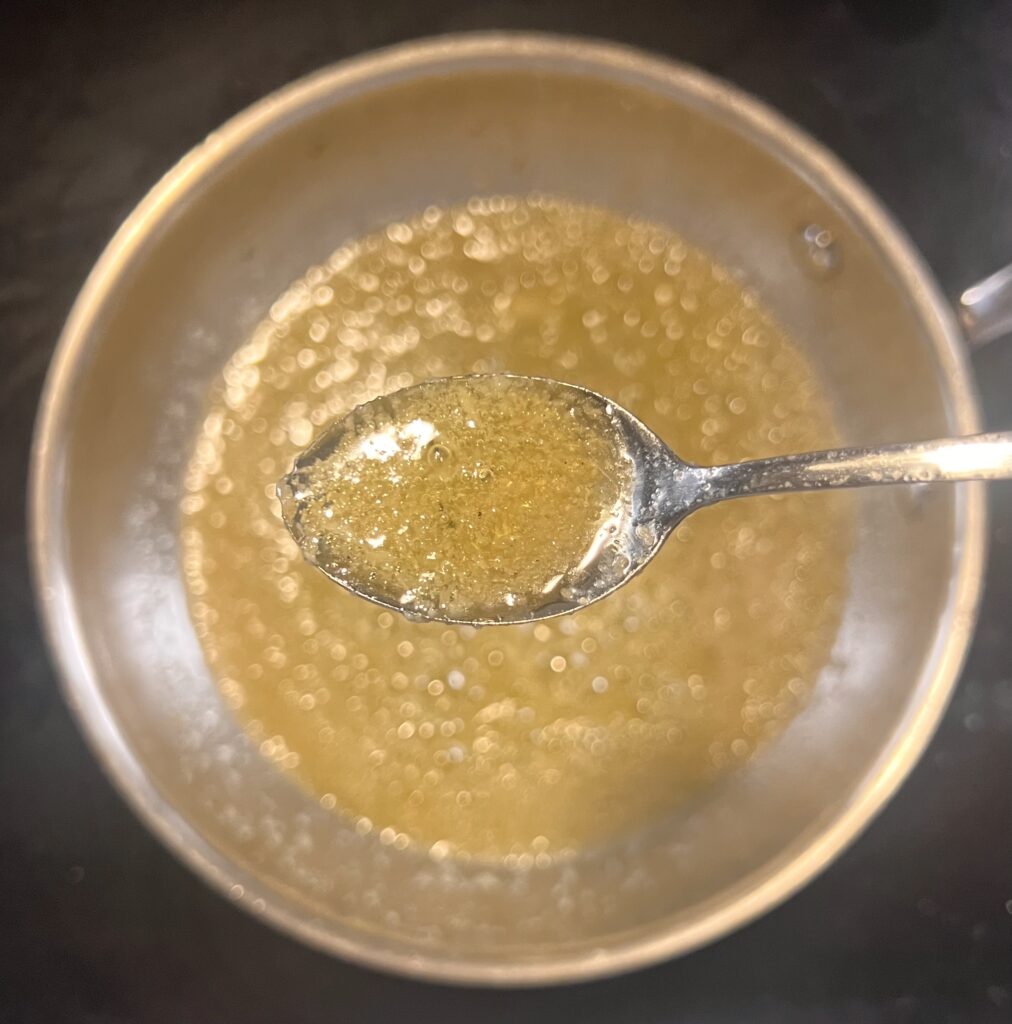
- In a small pan, heat the butter and oil over a medium low heat. Once the butter is foamy, add the garlic and saute for 1-2 minutes until fragrant.
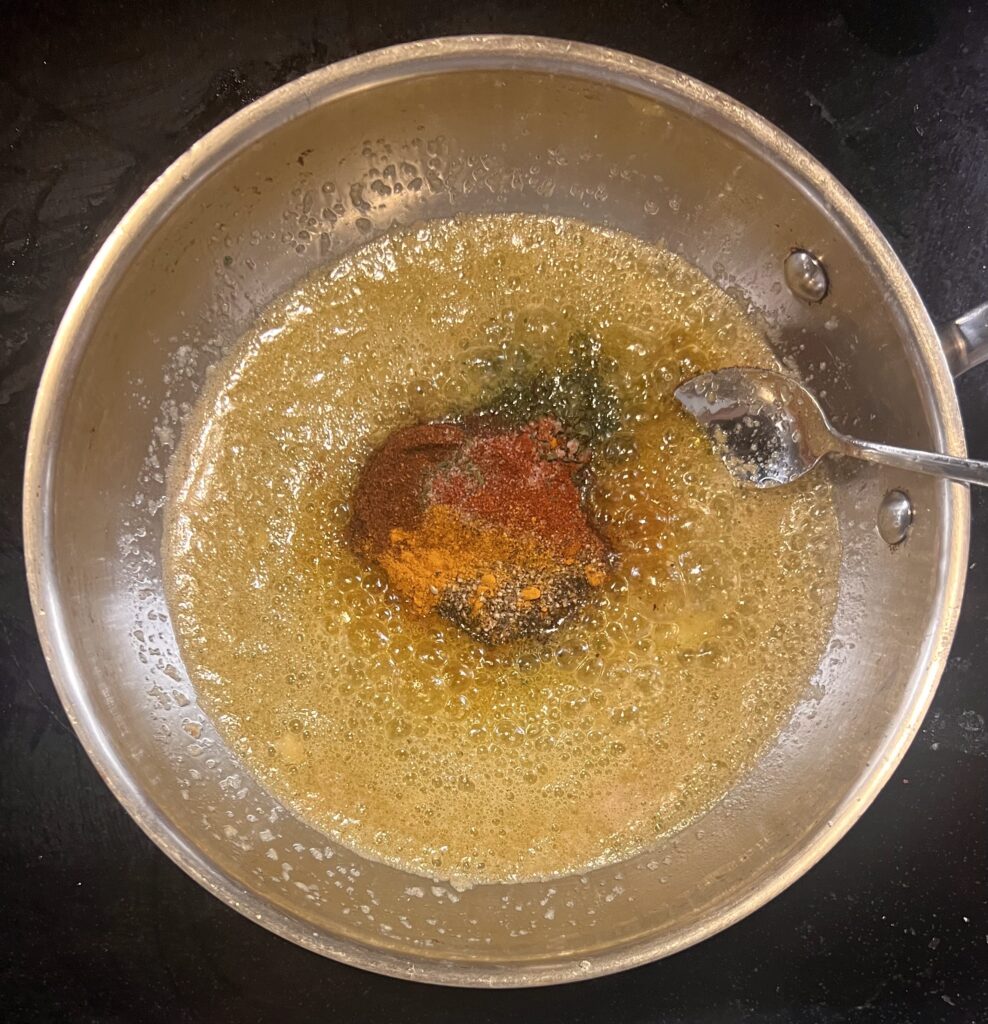
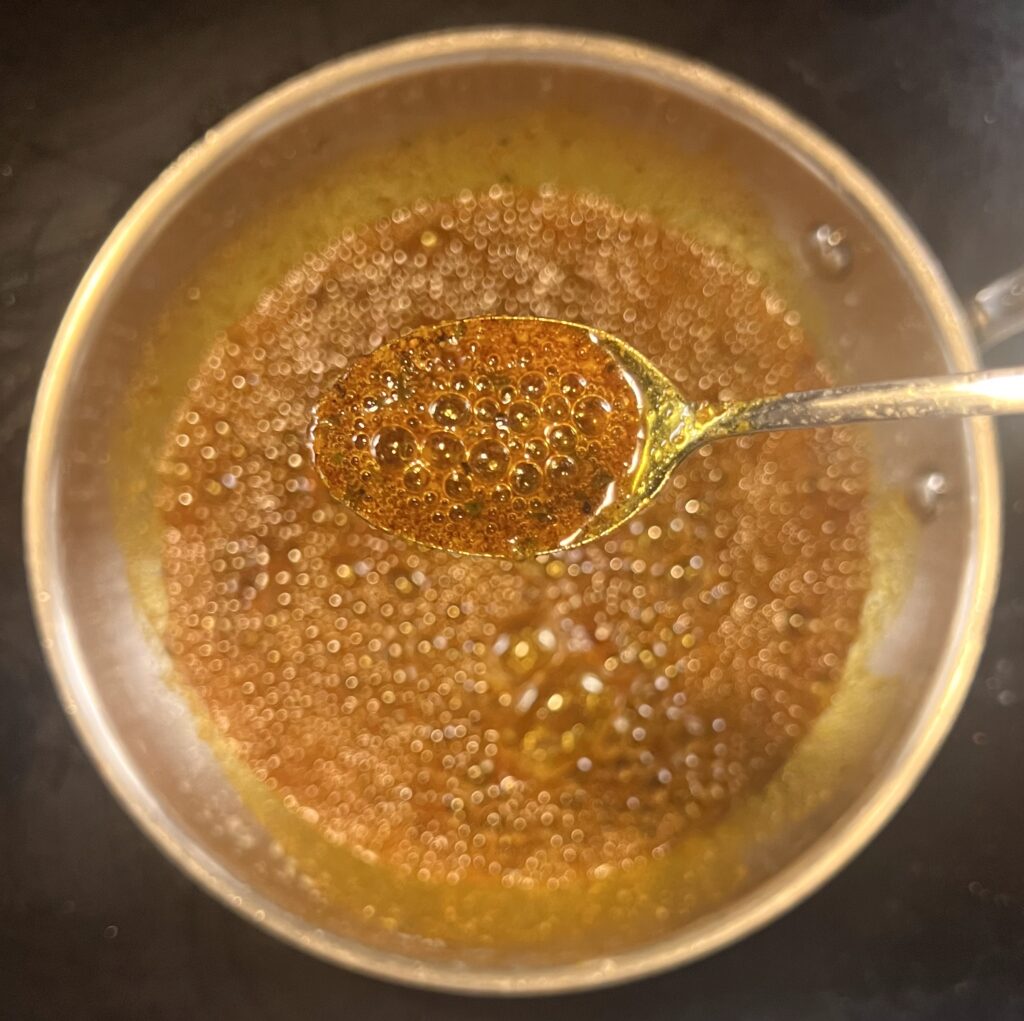
- Add the seasonings (set one tsp of salt aside) and cook for another minute. Remove from heat and set aside to cool.
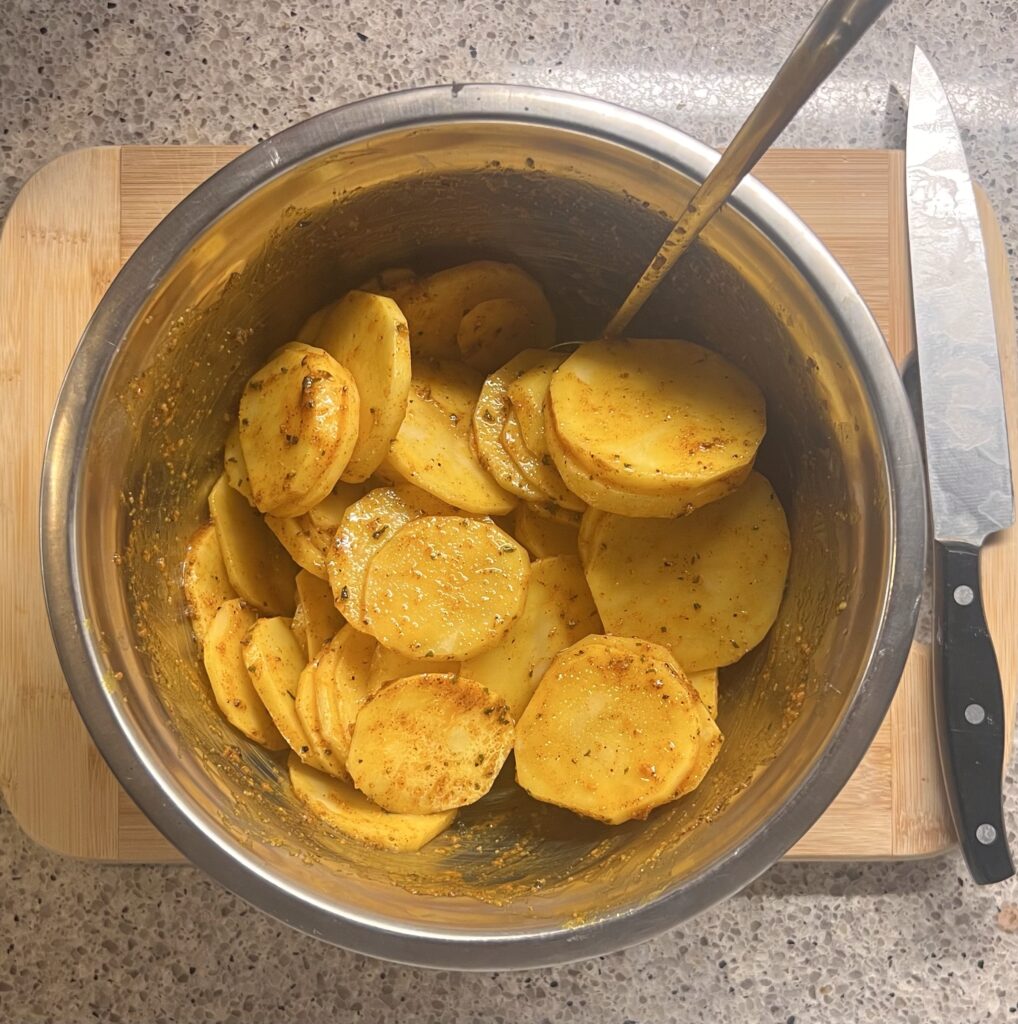
- In a medium bowl, mix the sliced potatoes with the remaining 1 tsp of salt and about half the butter sauce until each slice is thoroughly coated in the mixture.
- Spread the potatoes out on a lined baking sheet in a single layer. Bake for 10 minutes.
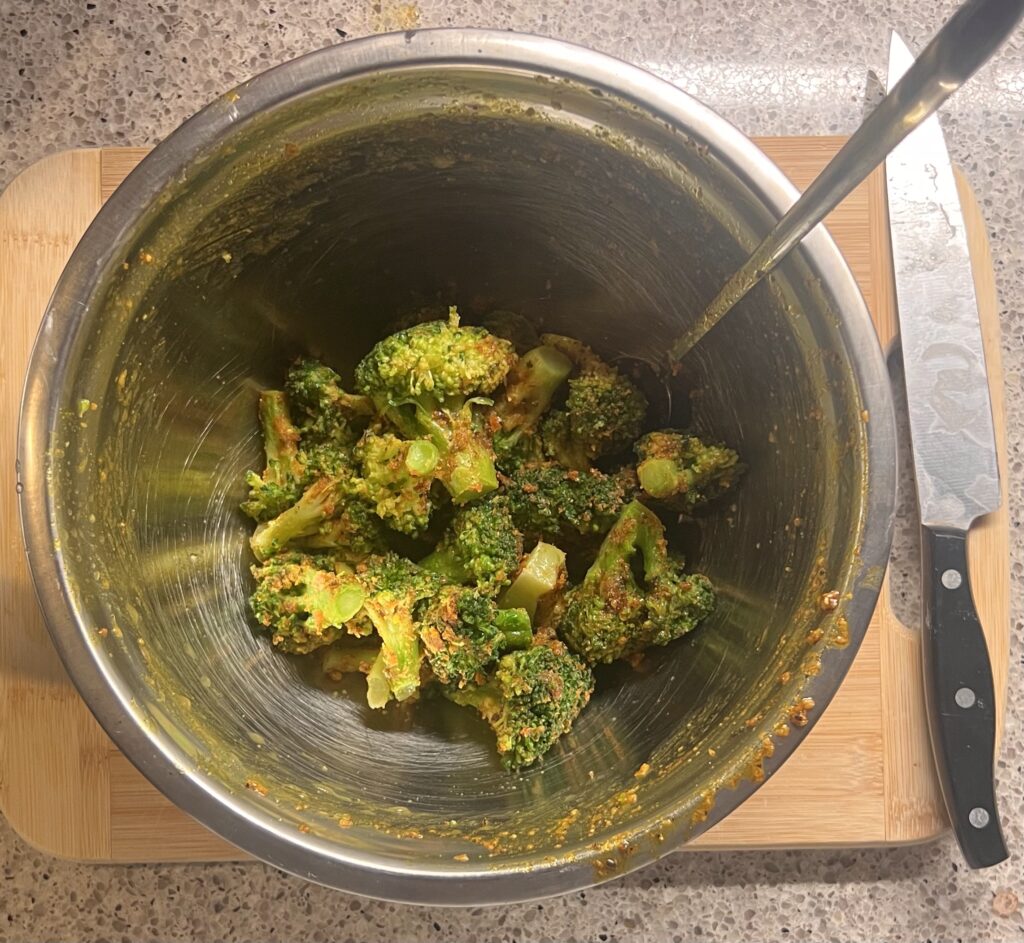
- While the potatoes are in the oven, prep the broccoli by mixing it thoroughly with half of the remaining butter sauce. Pat the salmon fillets dry and spoon the rest of the sauce over them evenly.
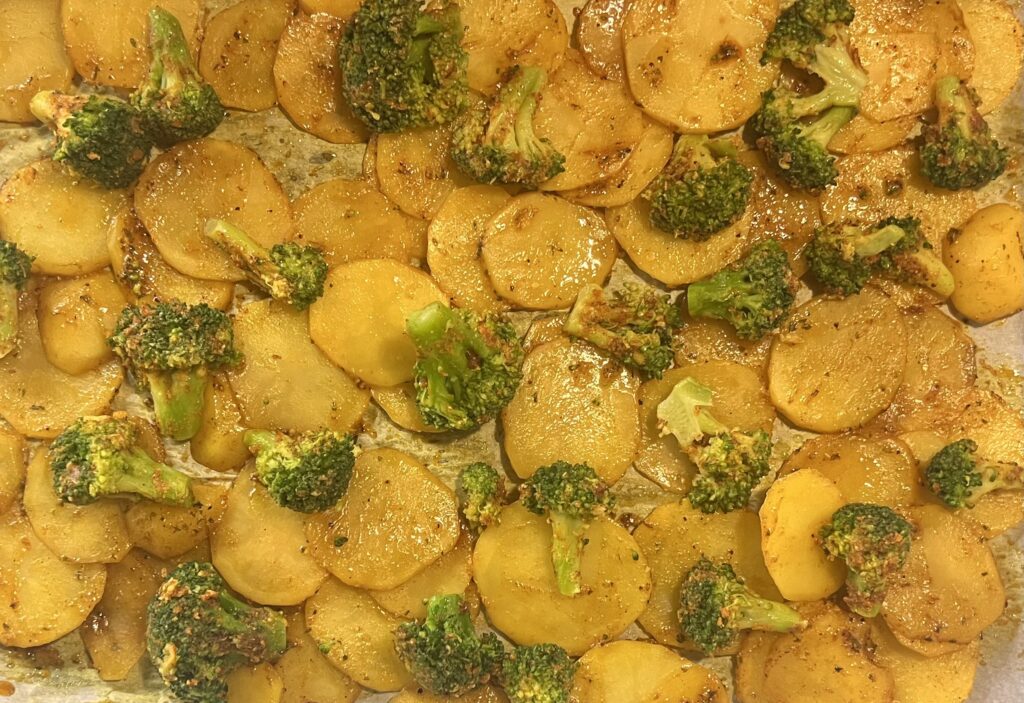
- After 10 minutes, take the potatoes out, flip them, and add the broccoli to the tray. Put back into the oven for another 10 minutes.
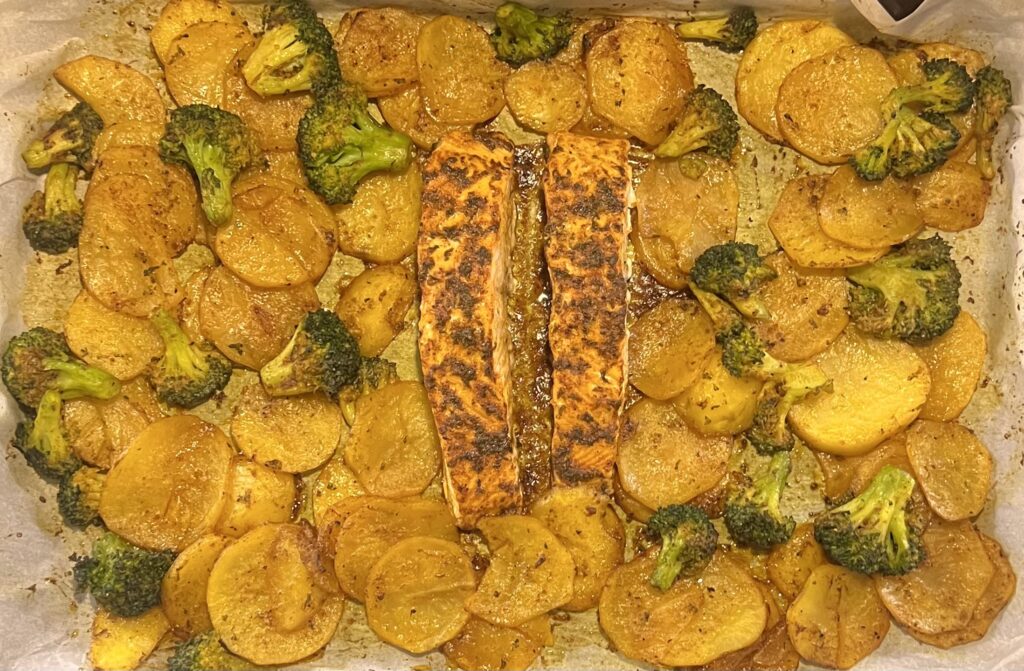
- After 10 minutes, remove the tray from the oven and give the potatoes a flip/mix around. Create a space in the middle of potatoes and broccoli and place the salmon fillets skin side down on the tray. Cook for a further 14-16 minutes until the salmon is pale pink and flakey all the way through.
- Remove from oven and serve immediately.
Makes two servings
Notes:
- The potatoes in this recipe are soft, but not crispy which I prefer in this dish. If you like a crispier potato, bake for 15-20 minutes during the initial bake and pre-heat the pan along with the oven before loading the potatoes on.
- You can replace the oil with butter for a richer, more decadent sauce with a nuttier flavour profile after it comes out of the oven.
- The broccoli can be replaced with any other firm green vegetable, like green beans, asparagus, or skip the baked veg and serve with wilted spinach cooked directly in the butter sauce.
- You can technically serve the salmon slightly undercooked, baking for 10-12 minutes instead of the full time. If taking this route make sure the salmon you are using is high-grade and has been flash frozen for maximum freshness to avoid possibly getting sick.
- You can make this entire dish a no-pan sheet tray dinner by microwaving the butter and adding the spices to the melted butter, but I prefer letting the garlic and spices bloom while they cook over the stove – I find it imparts a richer flavour.
xx,
girlwhocooks