I was lucky enough to grow up in a family of excellent cooks, headed by my grandmothers who have an invaluable wealth of knowledge when it comes to cooking. My earliest memories are of running between their legs in the kitchen, begging to help stir pots or chop garnishes (using a knife was quite a thrill back then), before inevitably being shoo’ed out of the kitchen and made to set the table instead while the smell of onions, garlic and ginger mixed with warm spices drifted into the dining room. We ate a lot of Kashmiri and Pakistani dishes at our family gatherings, because those were the majority favourite and the dishes of our ancestry, but every so often we would make space on the table for another cuisine – East African dishes, specifically Kenyan dishes.
Both of my grandmothers were born and raised in Nairobi, Kenya. Back in the 70’s, Kenya had a large population of expats from Asia who left their home countries in favour of ample work opportunities on the railroads, and land on which to build new homes, often compounds where additional houses were built as their families grew. My grandmothers would tell me stories of how they would help with the family businesses, and on their days off they would help their mothers in the kitchen, gathering ingredients from their lush gardens filled with mango trees, sweet potato vines, and my personal favourite root vegetable – mogo. Sweet cassava, commonly called yuca, or “muhogo” in Swahili, is a starchy root vegetable with a very mild flavour – similar to potatoes, but with a much richer mouthfeel.
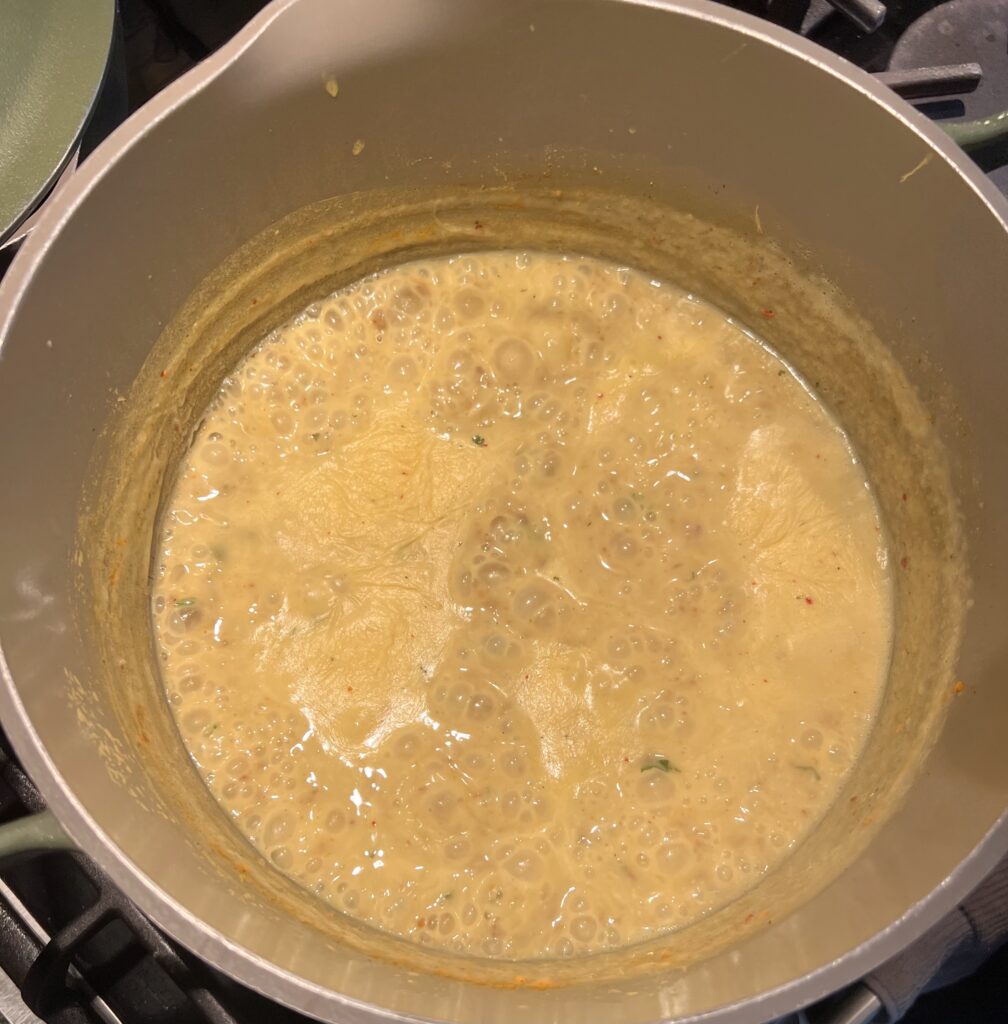
It can be prepared in a variety of ways – steamed, fried, pounded, or my personal favourite – made into a curry. Cassava comes in two forms – sweet (yuca) and bitter. Both contain cyanogenic glycosides, which can be converted into toxic cyanide in the body if not prepared properly. This is typically done by soaking the sweet cassava in water for a long period of time, and for bitter cassava, going through a rigorous processing procedure to ensure the end result, typically flour or small grain, is safe to consume. Sweet cassava has a much lower content of these cyanogenic glycosides, meaning that they do not need to be processed so harshly – typically a quick 20-30 minute boil will render the cassava safe to eat.
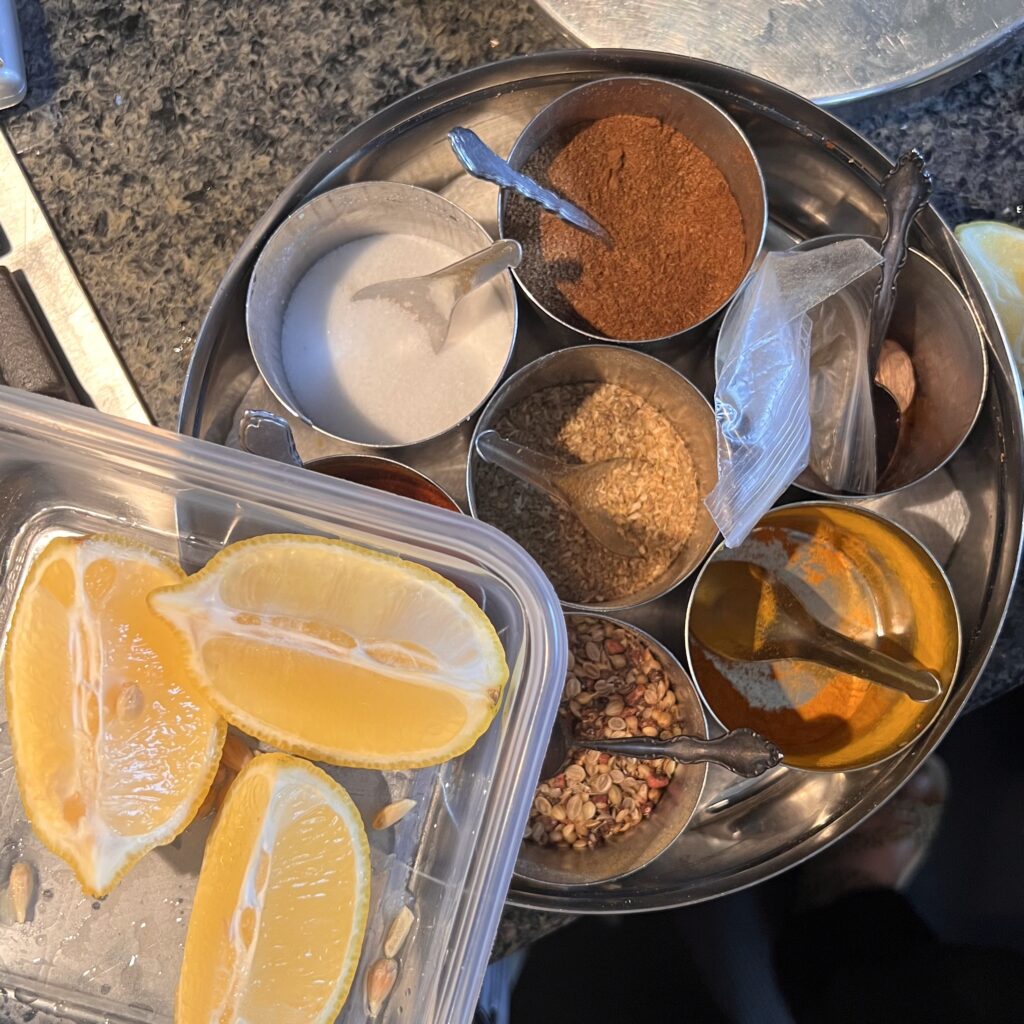
This dish is made without draining the water the frozen cassava is boiled in, as the cyanogenic glycosides are much lower in sweet cassava as is the risk of cyanide poisoning. If you’re concerned about the possible amount of cyanide in the cassava you could always give it a quick boil for about 15 minutes in water before draining and following the recipe as normal – just boil for about 10 minutes less if following this method. Alternatively, you could pre-prep some cassava for the freezer by peeling, soaking, and boiling the root before storing it in freezer bags, ready for use. There are many resources online describing the correct way to process and freeze fresh sweet cassava.
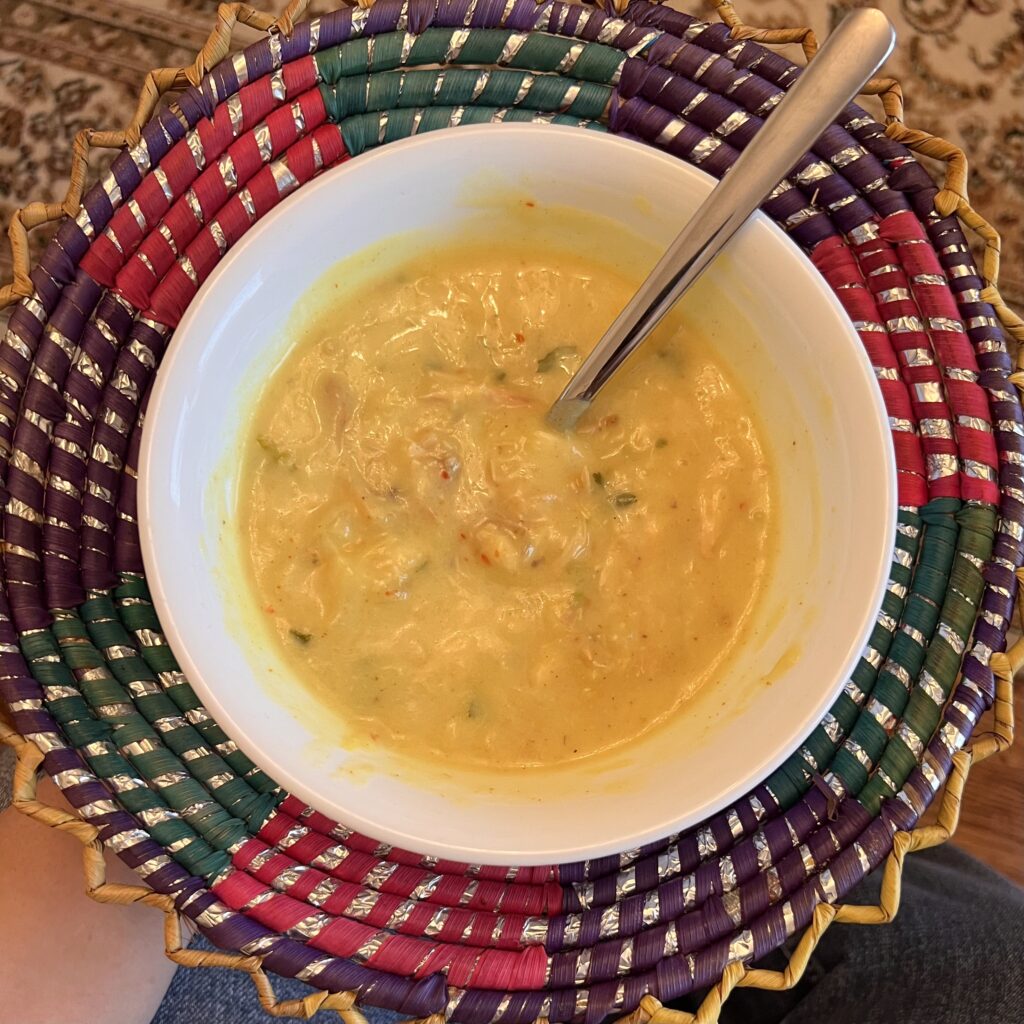
The protein in this dish is almost always some form of leftovers – usually some leftover keema, or other form of ground meat protein. Shredded chicken is also a good option, as is marinated and cooked tofu or even leftover beans. Just be mindful that the majority of the flavour of the dish comes from the already cooked protein, so you’ll want to stick with flavour profiles that match the warm, rich profile of cassava. Something like teriyaki tofu or thanksgiving turkey might not be the best choice here. If you choose to cook a protein, stick to spices like garlic, cumin, coriander, etc. to flavour the meat. The end result, between the rich, soft cassava the flavorful, hearty protein, and the thick broth, should feel like eating a warm hug – perfect for the colder weather!
Ingredients:
2 cups frozen cassava
1 can coconut milk
Half a small sliced red onion
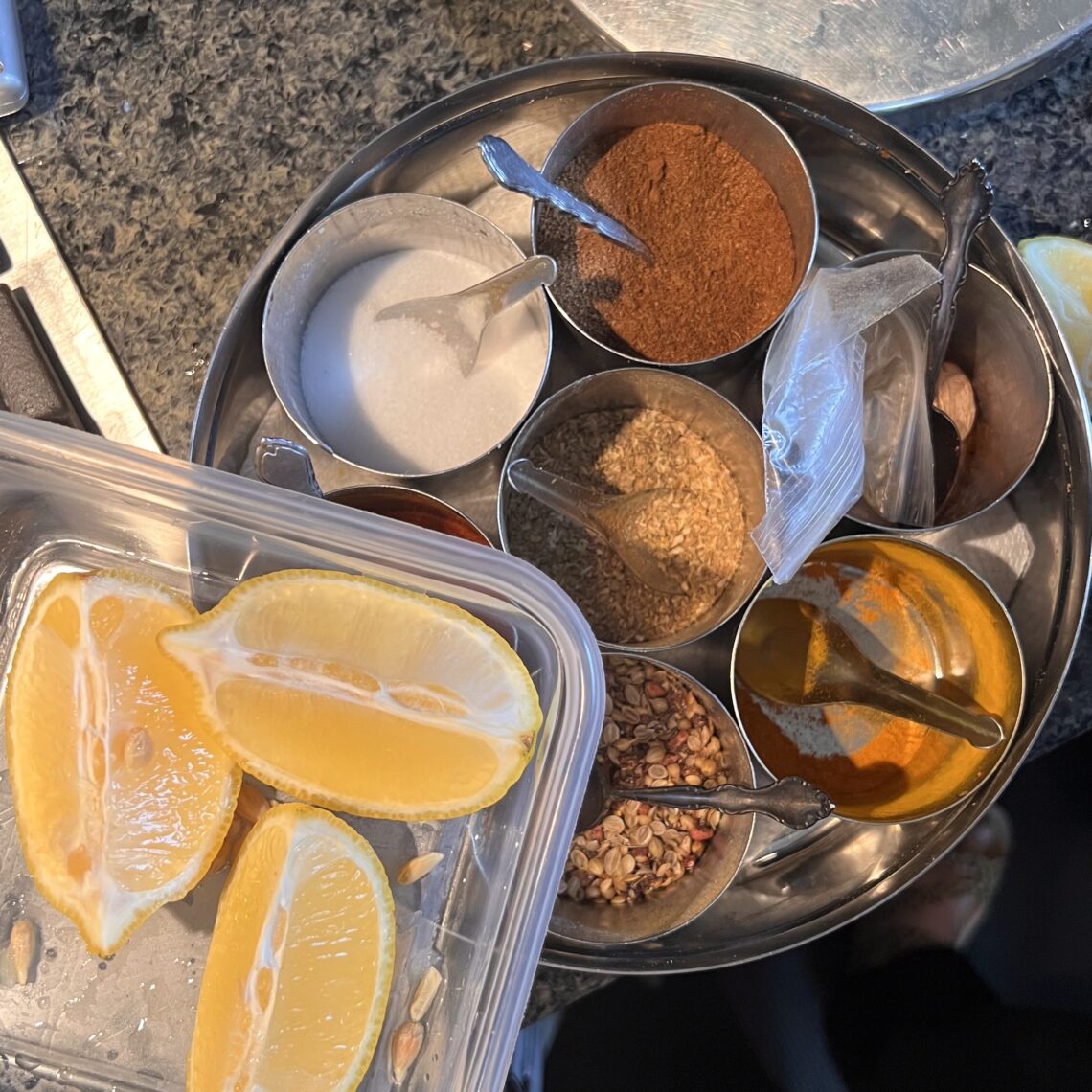
1 tsp turmeric
1 tsp chili flakes
1 lemon
Fresh coriander to taste
Salt to taste
Optional:
Ground beef
Shredded chicken
Meat alternative
Beans (any large bean that will retain it’s shape, like cannellini beans)
Veggies of choice (corn, peppers, peas – avoid anything starchy because the cassava is already extremely starchy).
Method:
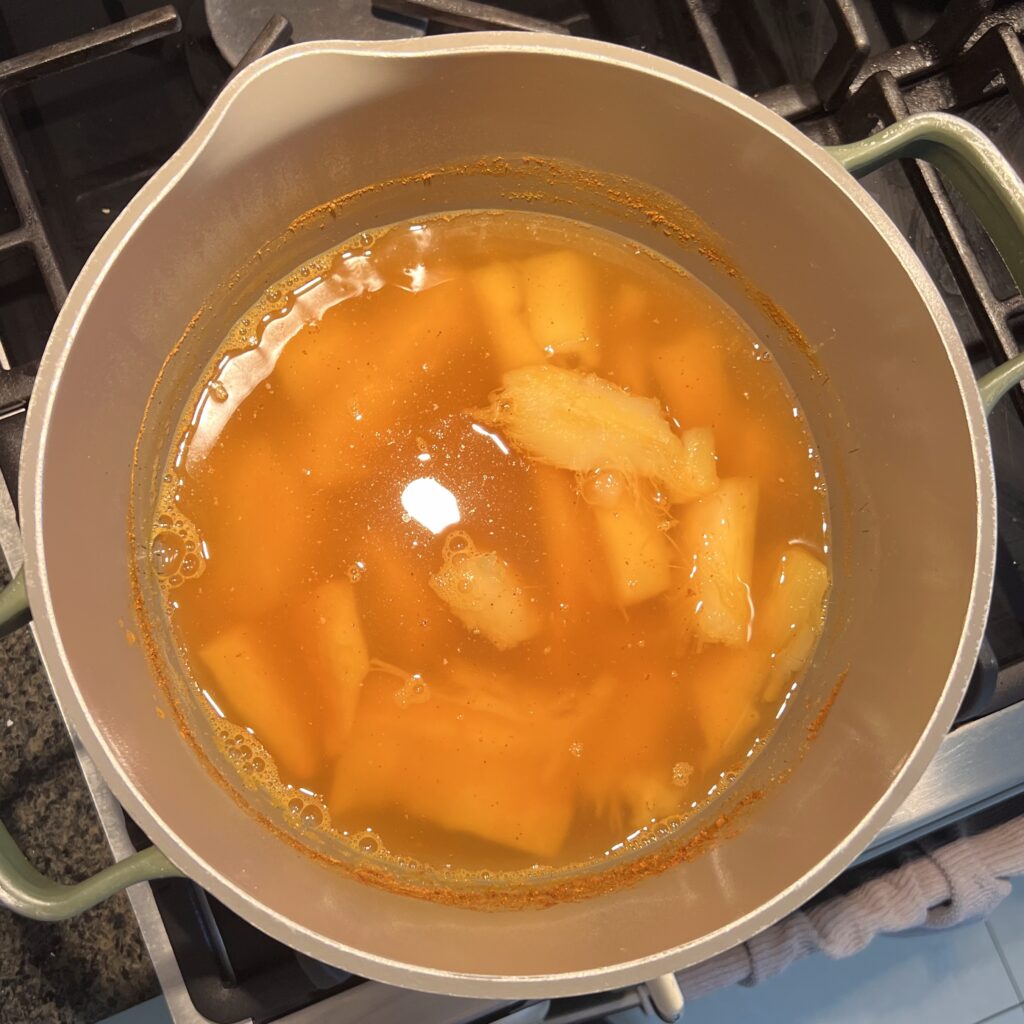
- Bring 5 cups of water to a rolling boil and add the frozen cassava, along with the turmeric and 1 tsp of salt. Let boil for about 30 mins or until the cassava is fork tender and mashable. Do not drain the water*.
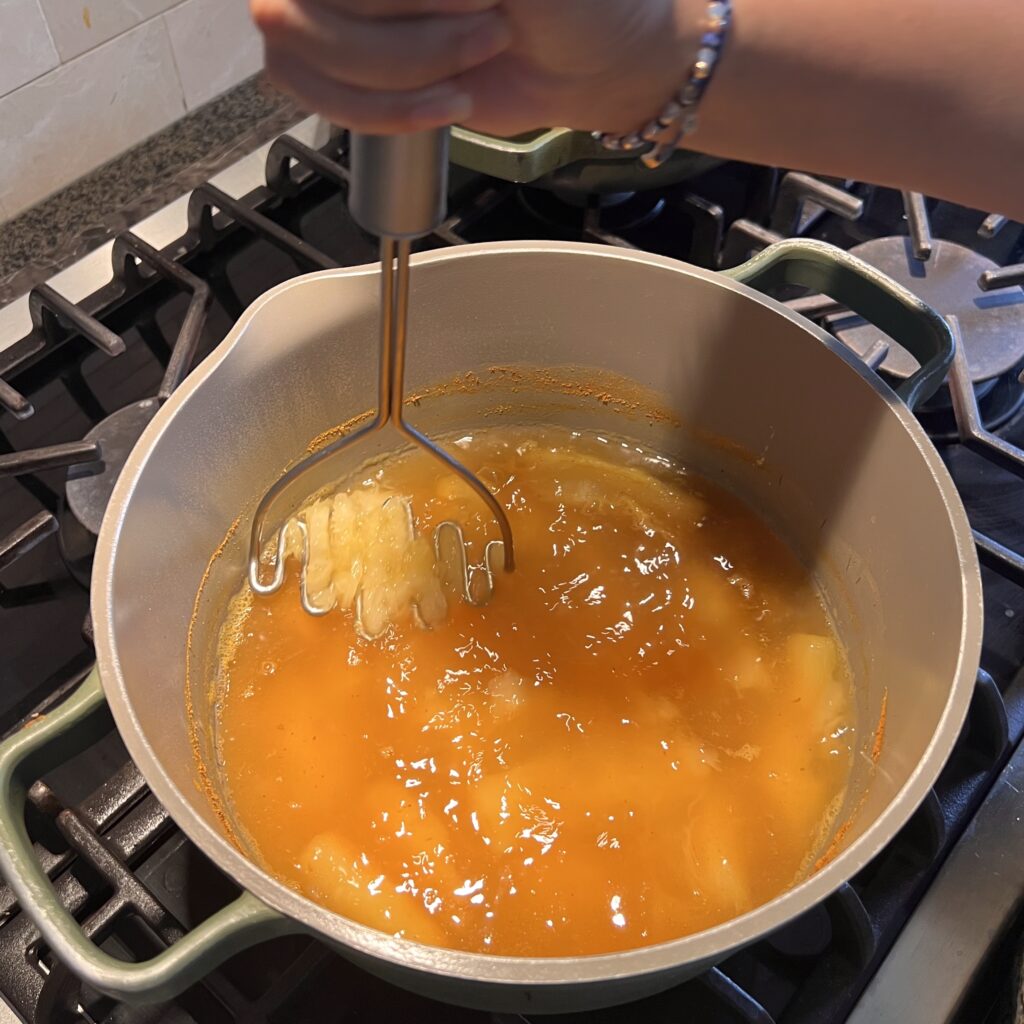
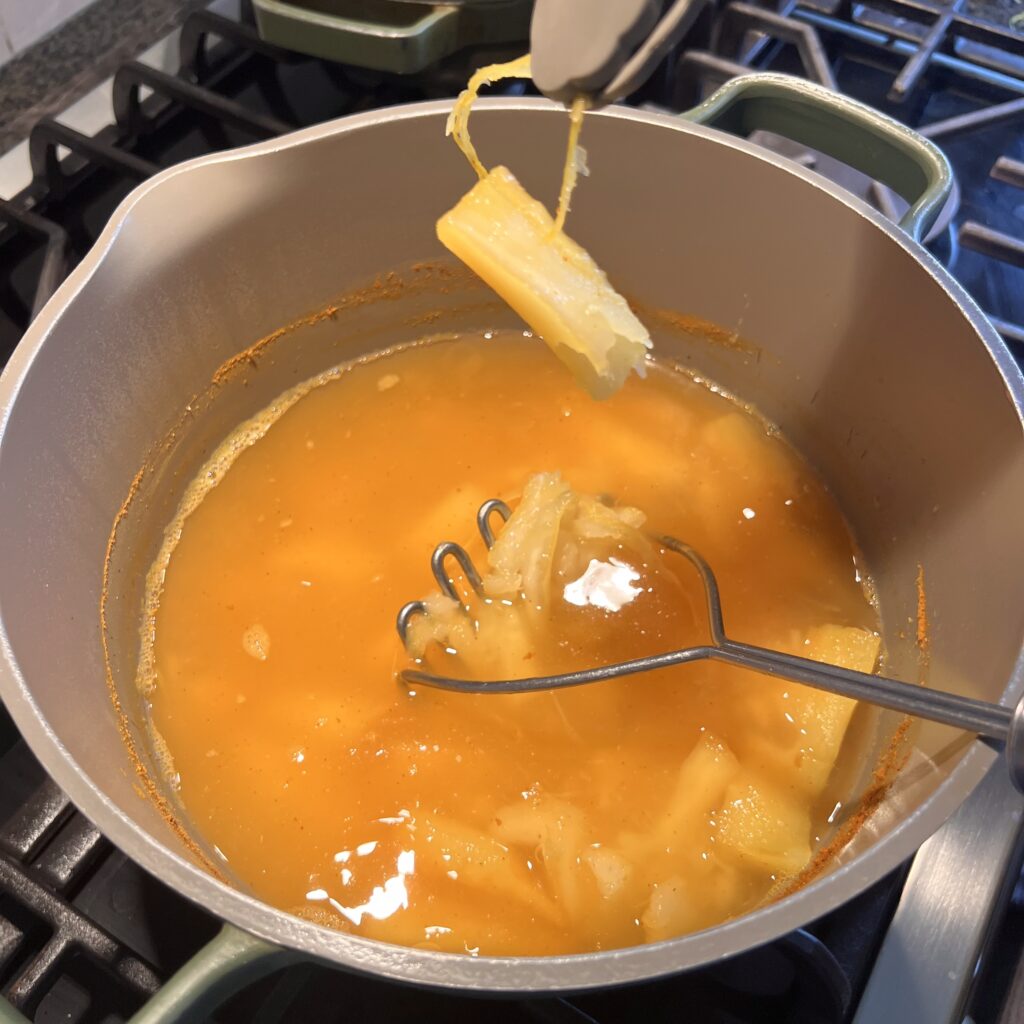
- Mash the cassava in the pot, leaving lumps if desired, and remove any fibrous inner strings that are sometimes in the core of the thicker pieces of cassava.
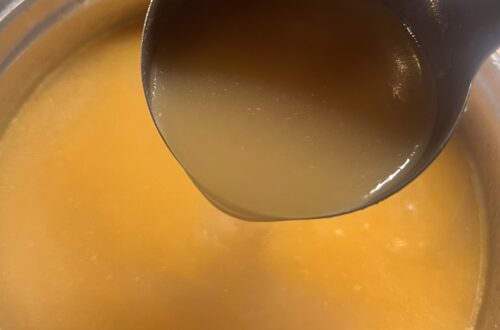
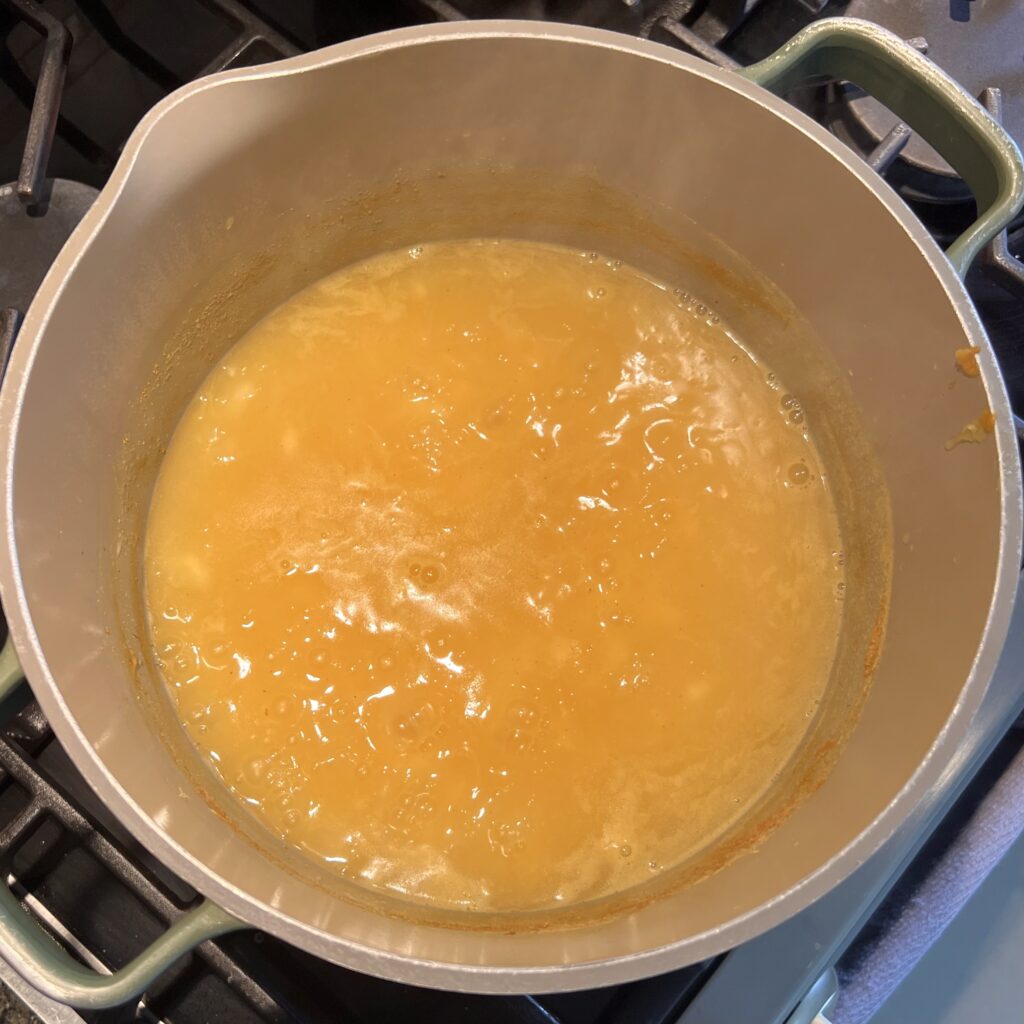
- If the mixture is too thick, add some water. If it’s too thin, let the mixture simmer until your desired thickness is reached. My ideal mixture is thick enough to coat the back of a spoon, with some larger chunks remaining.
- Add the coconut milk and stir to combine. If adding in proteins, add them at this step. If not adding protein, add in your onion, chilli flakes, and veggies of choice (if desired, the curry can be eaten with just the cassava) and thoroughly mix to combine. Let this mixture cook for a further 10 minutes so that everything comes together.
- Finish with a squeeze of lemon juice, chopped cilantro, and salt to taste.
* If concerned about the cyanogenic glycosides in cassava, you can boil it in water brought to a rolling boil for 15 minutes, drain and rinse, and then continue the recipe as normal, boiling again for only 20 minutes instead of the full 30.
Notes:
- While the dish works with almost any meat protein, avoid using seafood as the starchyness and richness of the cassava won’t pair well with fish-forward flavours.
- This curry is typically eaten alone, different to other curries which are typically served alongside a carb like rice or a kind of flatbread. The cassava makes it very hearty, and the coconut milk adds a richness which negates the need for a carb.
- Make sure that the cassava you are using for this recipe is sweet cassava, not bitter cassava. Bitter cassava has a much higher content of cyanogenic glycosides than sweet cassava, rendering it much more poisonous. It goes through a much more rigorous processing procedure in order to become edible, often turned into cassava flour instead of being eaten in its tuber form.
xx,
girlwhocooks