Growing up, one of mine and my sister’s favourite meals was my Mum’s “alfredo” pasta, ideally topped with some frozen chicken tenders chopped into small chunks as a topper. By no means gourmet, but absolutely delicious and an almost certain guarantee that we would both clean our plates. About 90% of the time it was perfectly creamy, cheesy, and garlicky, sticking perfectly to each noodle just the right amount, but the other 10% it would come out with a slightly grainy texture.
Pause – grainy!?
Yes, grainy. You see, the deliciously creamy white sauce my Mum would mix into fettuccine, penne, spaghetti or whatever pasta we had knocking about in the pantry was not, in fact, alfredo. It was actually a bechamel based sauce, seasoned with nutmeg, garlic, salt, pepper, bay leaves, and oregano, with not a shred of parmesan to be found. We would sometimes (generously) top the pasta with shredded mozzarella or cheddar, but often ate it without. And the graininess? That would come from either adding the milk into the butter and flour mixture too soon, adding too much flour into the mix, or breaking the sauce by cooking it over too high a heat. My aunt famously (within our family, at least) claimed to have preferred the sauce with the grainy texture, pestering my mother to make it for her every time she came over, and perhaps becoming the first person ever to complain that the sauce wasn’t grainy enough when it came out perfectly smooth. (I’ll have to type her a separate recipe as this one for creamy, silky sauce simply won’t do for her).
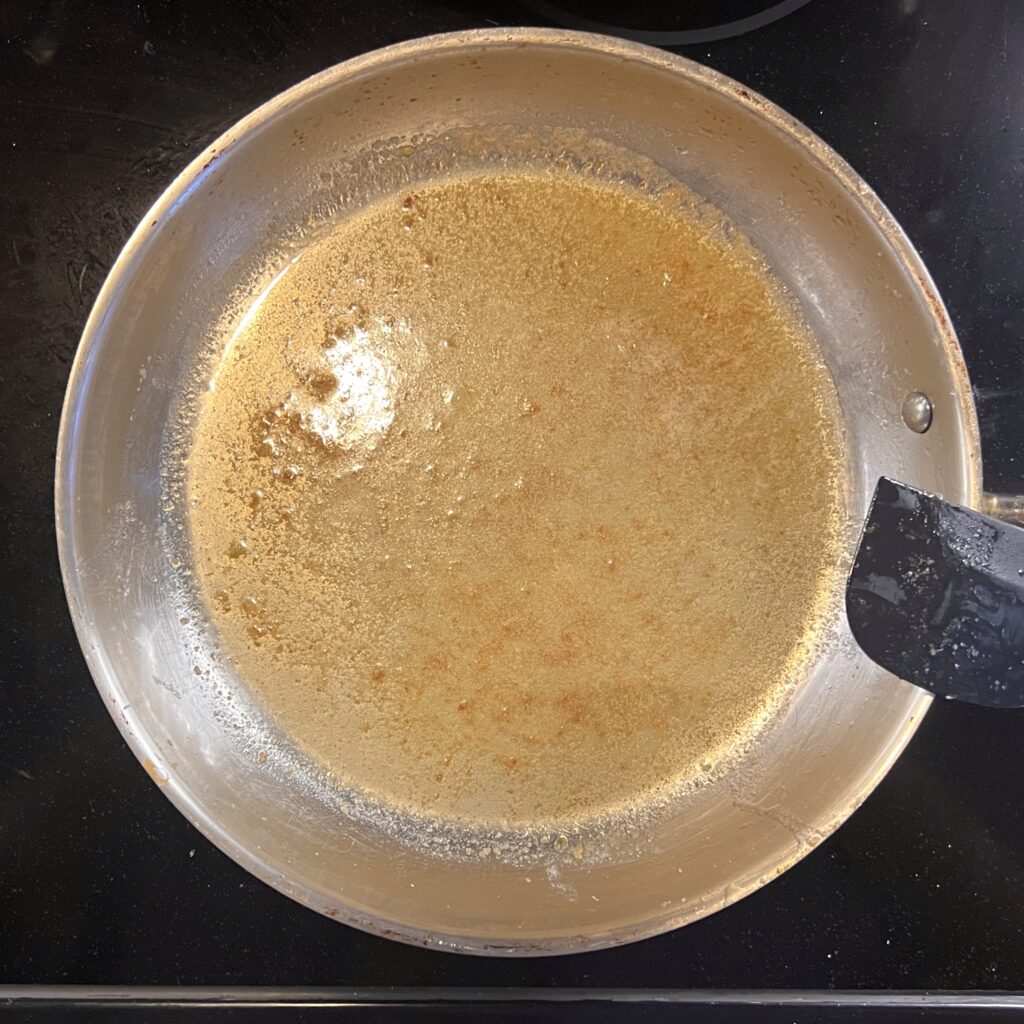
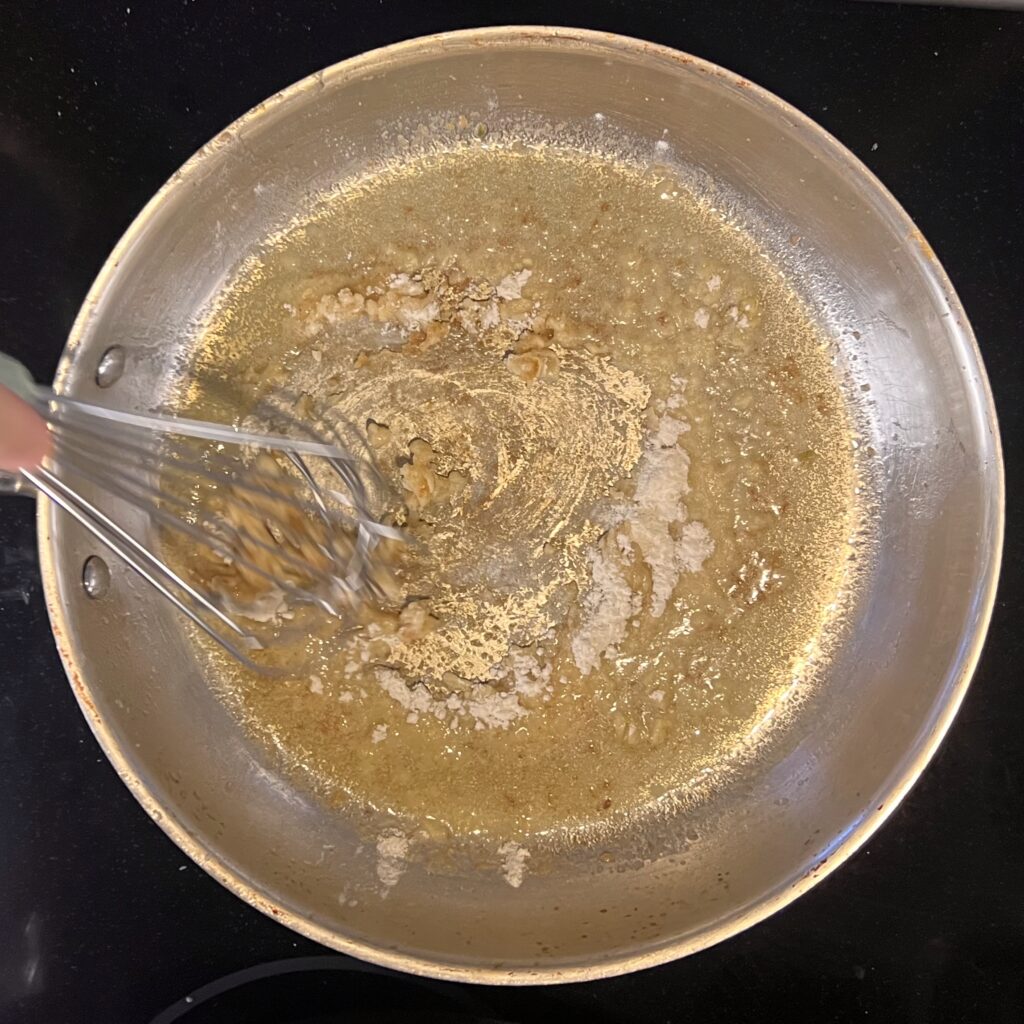
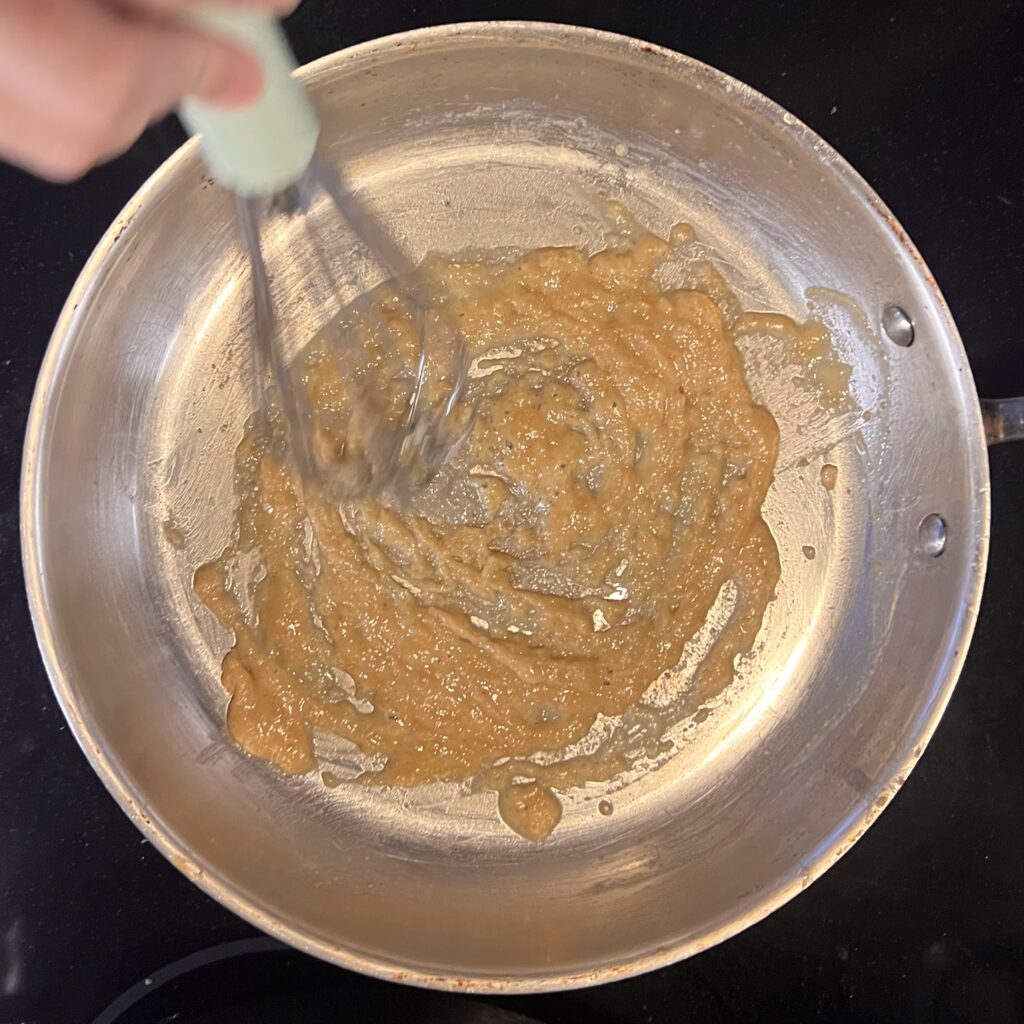
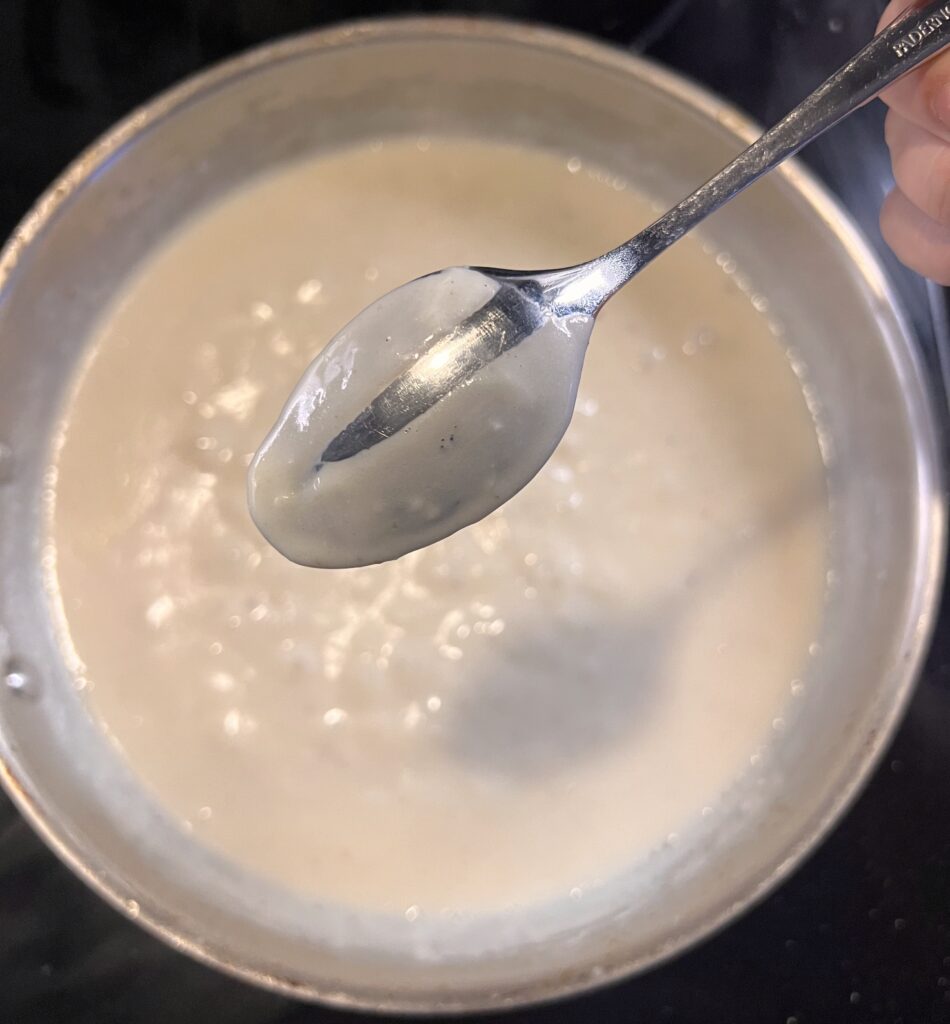
This bechamel-based sauce became one of the first sauces I ever perfected once I really started to cook, and even after learning that it was not, in fact, the alfredo sauce of my dreams, this is still the sauce I use whenever I need to make a quick white sauce for a pasta dish. It’s so easy to put together and relatively quick to make, and once you have the basic technique down you can add in a multitude of flavorings to match the dish you want to pair it with. A traditional bechamel is 4 ingredients: butter, flour, milk and nutmeg. You start by melting the butter in a warm pan, then adding an equal amount of flour and combining with a whisk until the mixture becomes a thin paste and the raw flour smell has been cooked out. At that point, add your milk in half a cup at a time, thoroughly combining each time before adding in the next addition, working quickly to avoid forming lumps. The key is combining the milk into the mixture thoroughly each time. The sauce will form large clumps and it will thicken exceptionally quickly – you have to continue stirring until you get that paste-like consistency each time, until the mixture thins out to the consistency you’d like. I recommend making it thinner than you’d like because it will continue to thicken as it cools.
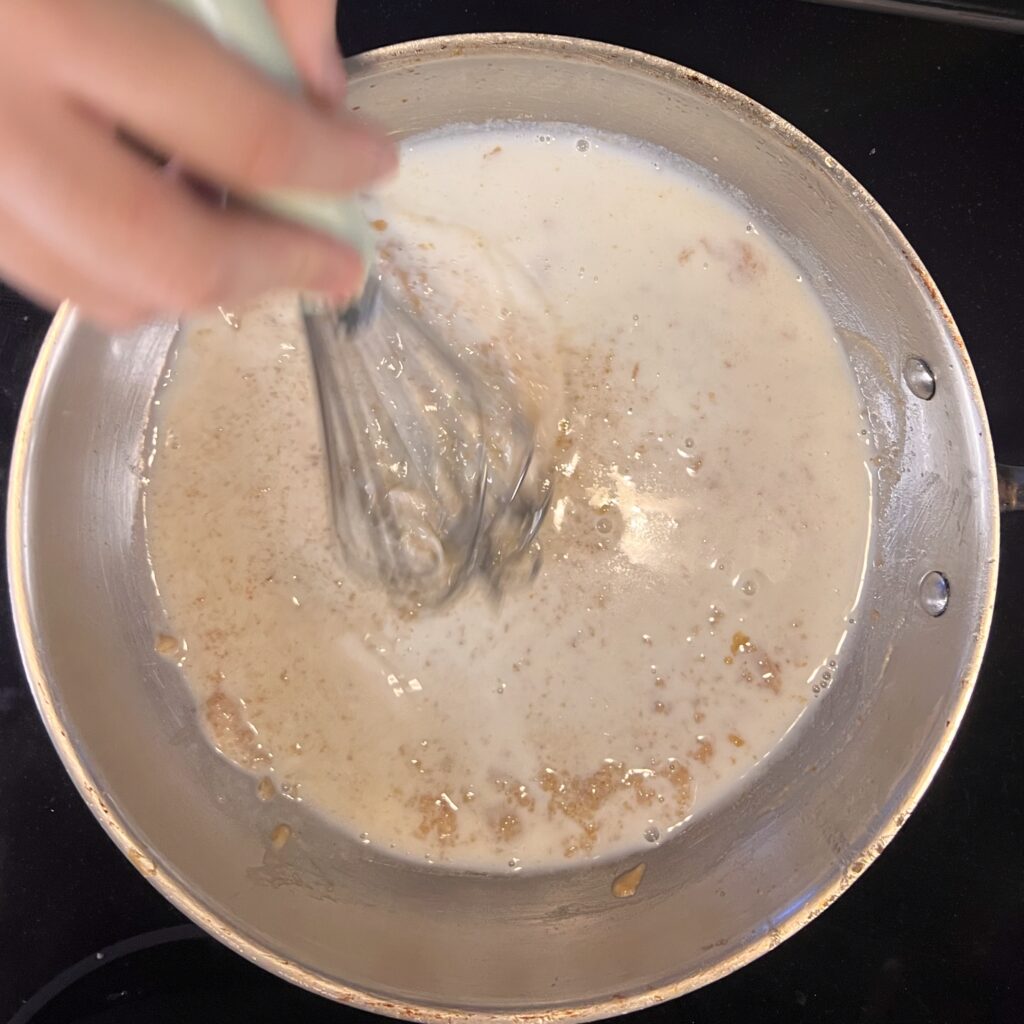
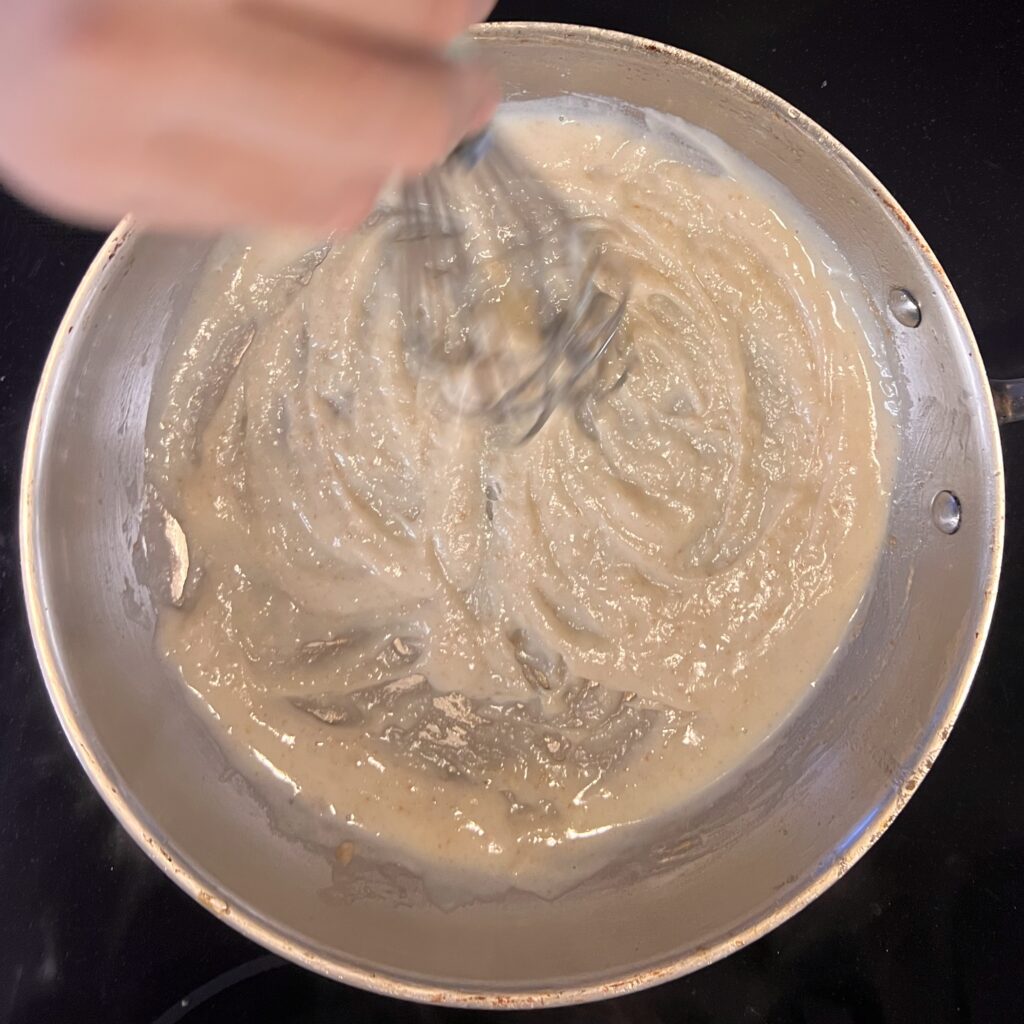
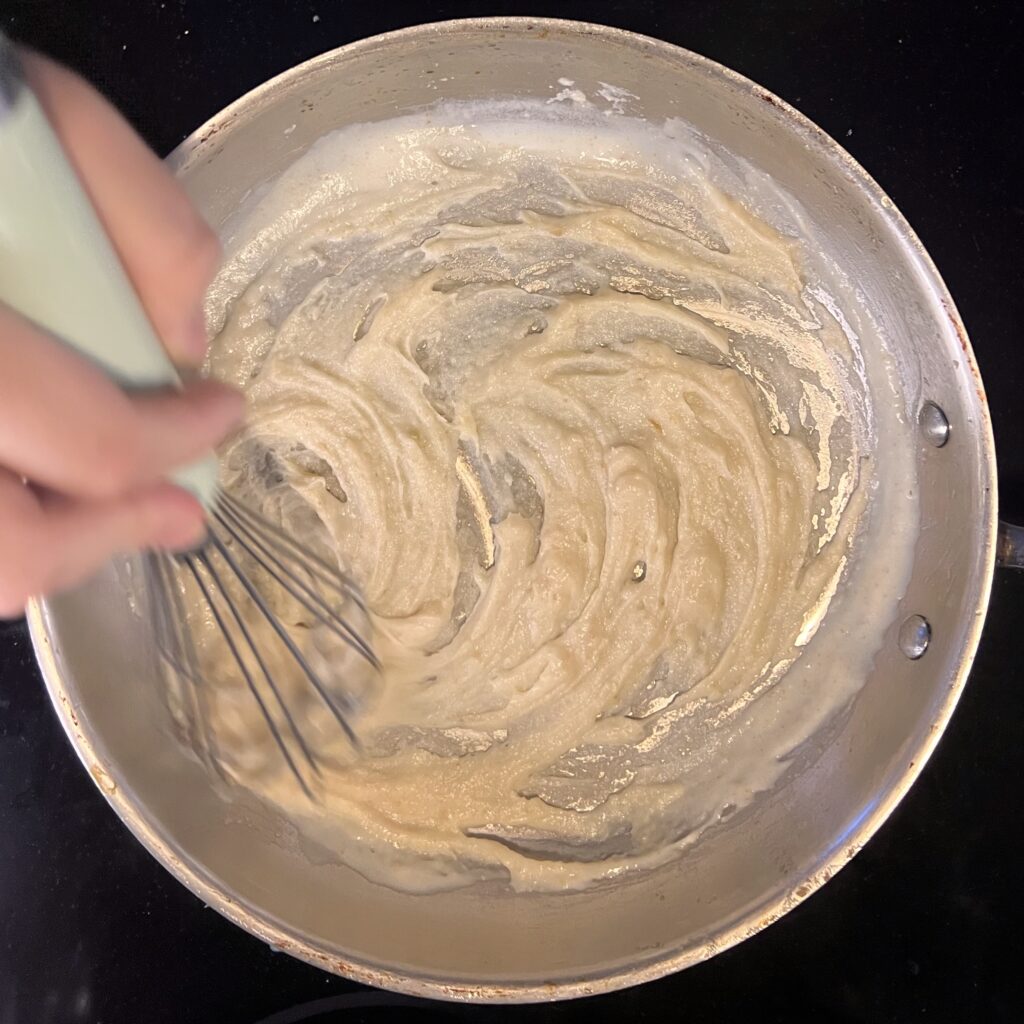
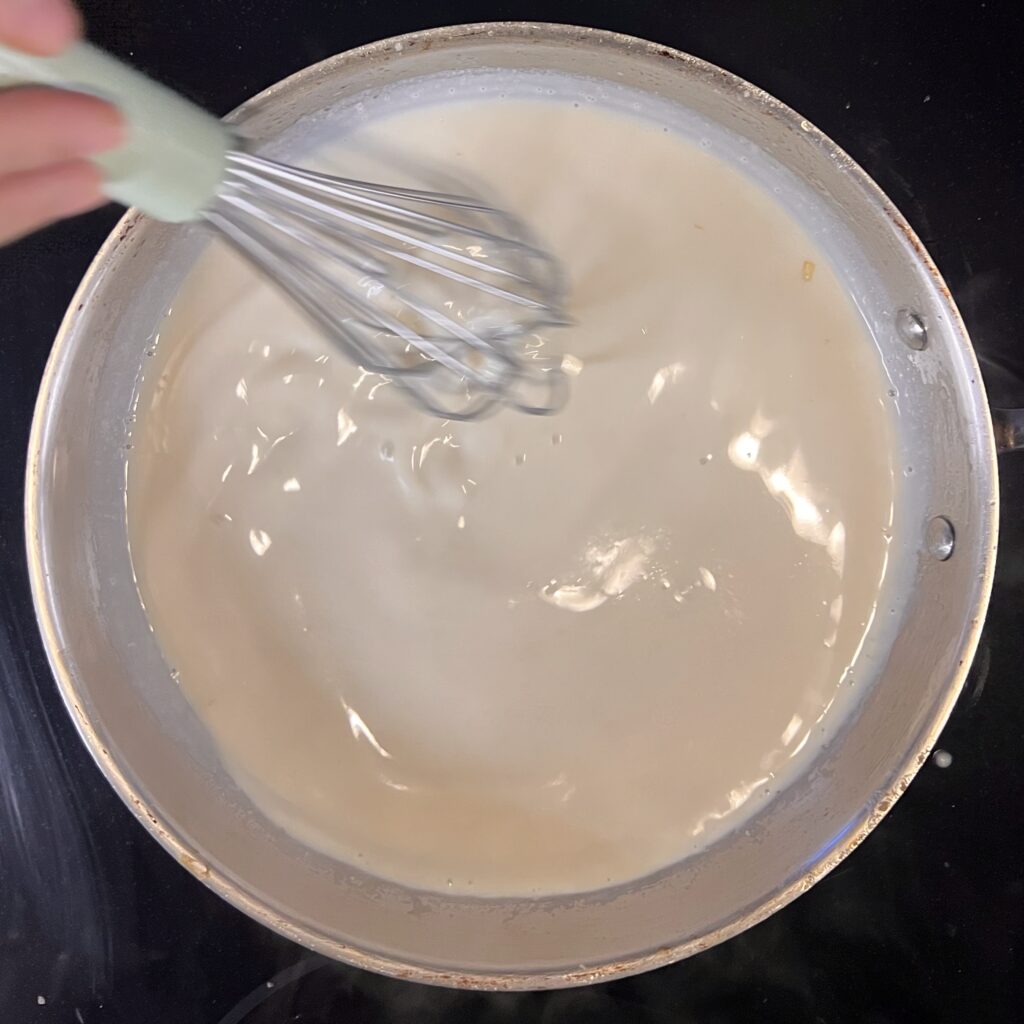
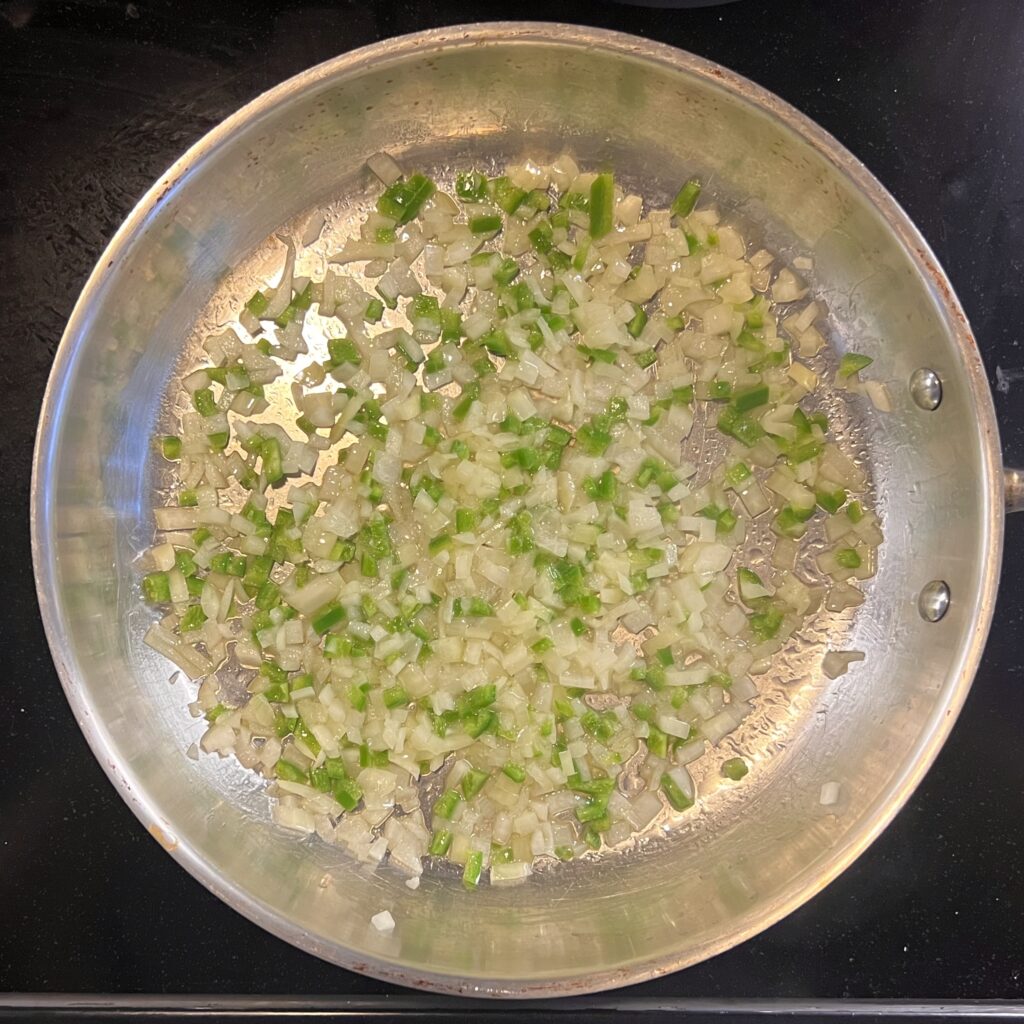
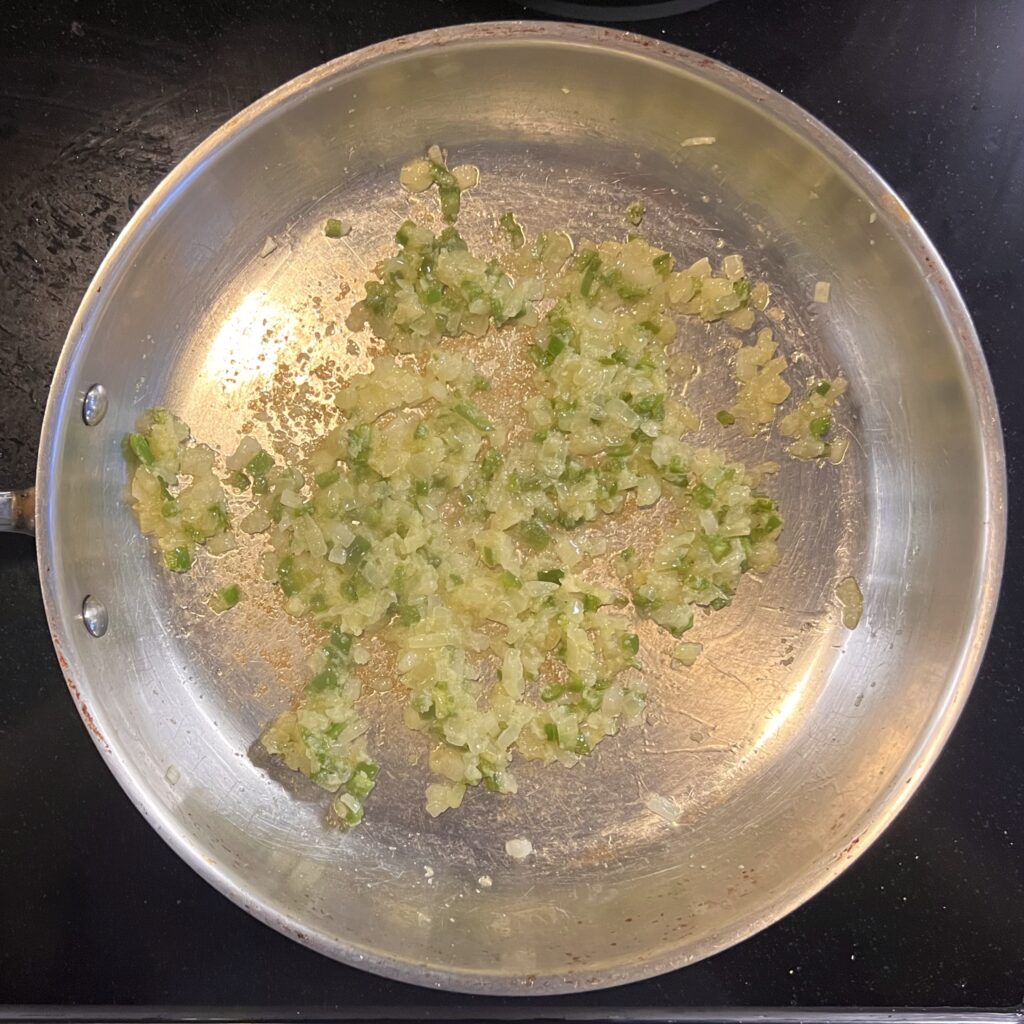
Now when making this sauce, one thing I personally do to make my life easier is saute my garlic, onion, peppers, and any other base flavouring ingredients I want in my end dish before I start making the bechamel, and then remove them from the pan once they’re sauteed through and make the sauce in the same pan, adding them back to the sauce with the pasta. Doing this is beneficial in two ways – one, you’re getting the flavours and textures in the sauce that you want without having to be concerned about deciphering which lumps are onion and which are flour, and you avoid dirtying another pan.
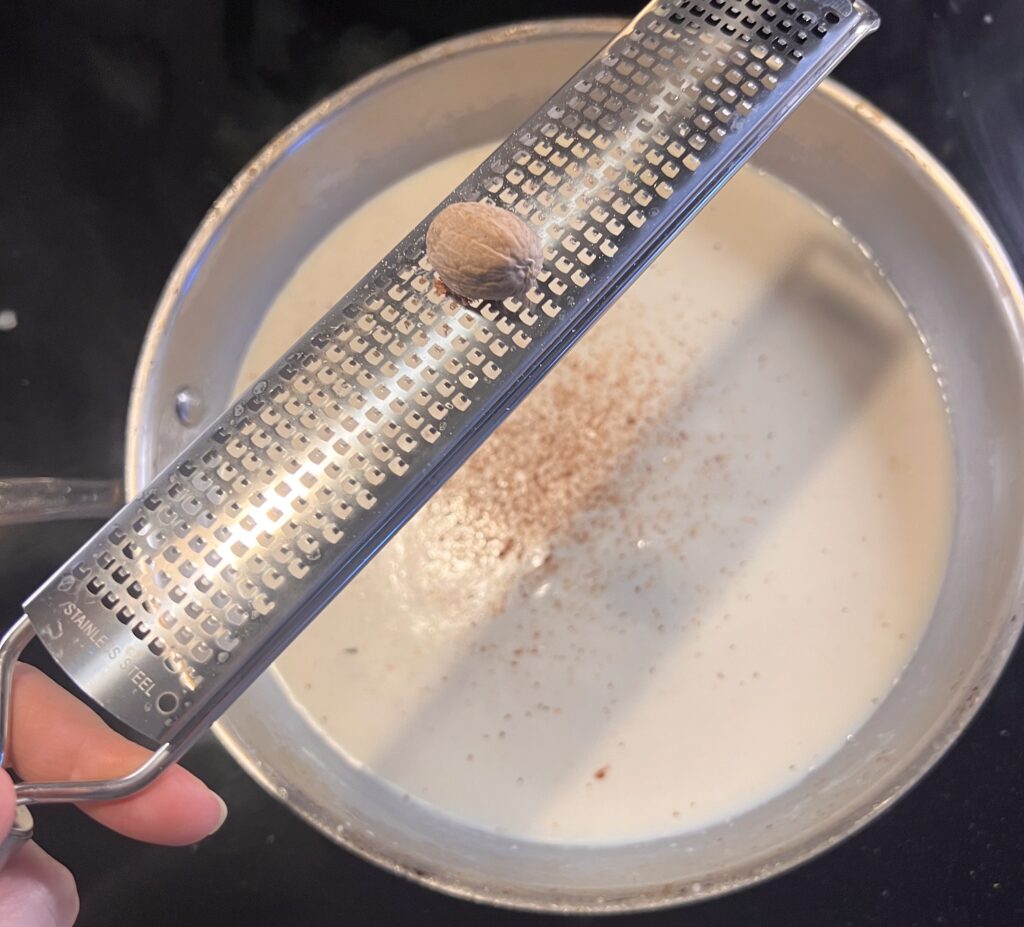
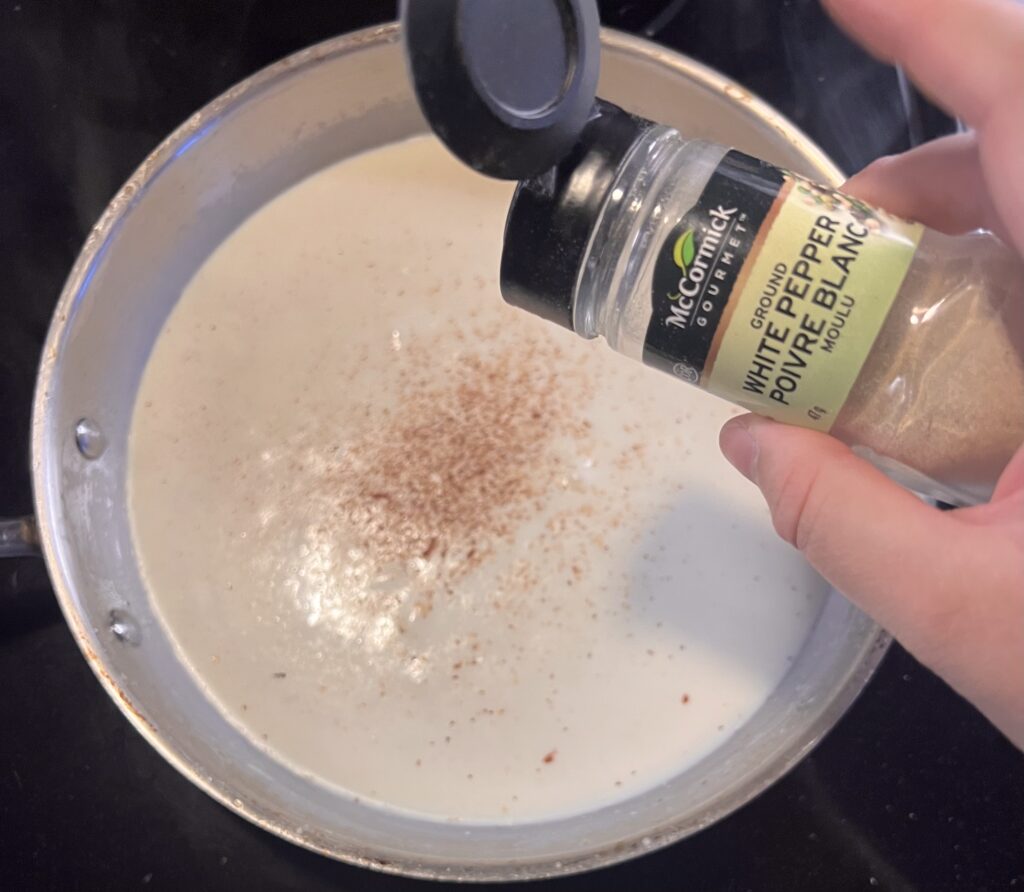
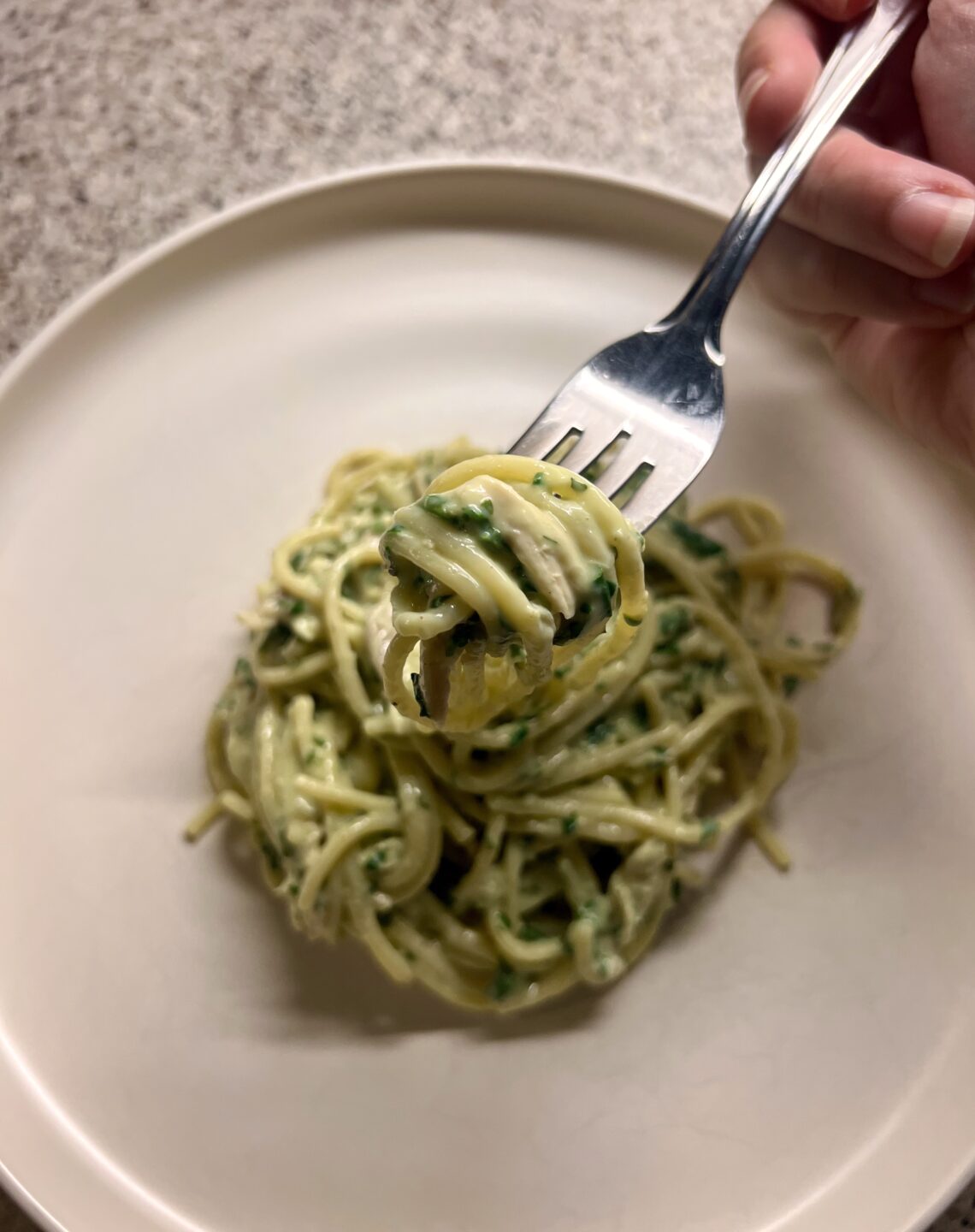
When using this sauce in place of alfredo, I’ll season it with the traditional (to a bechamel) nutmeg, salt, pepper, oregano, and parsley, and add in sauteed garlic, onion, and jalapenos along with the pasta. I’ll finish it with a healthy amount of either fresh chopped spinach, frozen broccoli, or rotisserie chicken – often a mix of the three. If i’m using it as a white sauce topper for a baked pasta dish like stuffed shells, I’ll season it more simply – just salt, pepper, garlic, and a little basil, oregano, or parsley depending on the dish. The beauty of this sauce is that it’s endlessly customizable.
Ingredients
2 tbsp butter
2 tbsp flour
1-1/2 cups milk
1/2 a medium onion, finely diced
1 jalapeno, de-seeded and finely diced
4-5 cloves garlic, minced
1 tsp dried oregano
1 tbsp dried parsley
1/8 tsp nutmeg
1-2 bay leaves
2 cups chopped spinach
1 cup shredded chicken
Salt to taste
Pepper to taste
Method
- In a stainless steel pan over medium heat, saute your onion, jalapeno and garlic in oil until soft and lightly browned. Remove from the pan and set aside.
- In the same stainless steel pan over medium-low heat, melt the butter. Once melted, add the flour and whisk together for about two minutes until golden and the raw flour smell has gone.
- Add your milk 1/4 of a cup at a time, constantly whisking as you pour it into the pan. The mixture will resist coming together at first, but it will come together fairly quickly and thicken.
- Continue adding the milk in 1/4 cup increments until the sauce is slightly thicker than the consistency you’d like.
- Add the nutmeg, pepper, oregano, parsley, and bay leaves and mix thoroughly.
- Add some pasta water to finish thinning out the sauce – this will also help the sauce stick to the pasta when added.
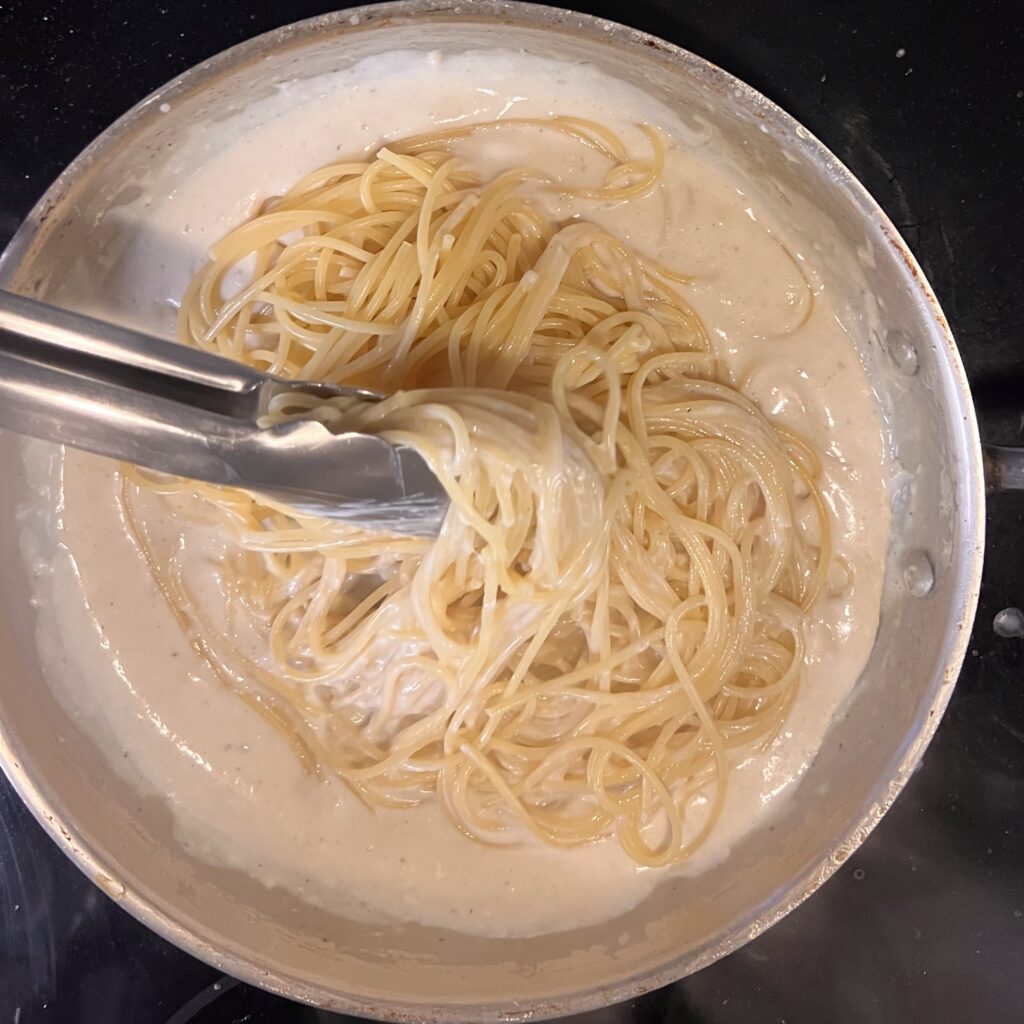
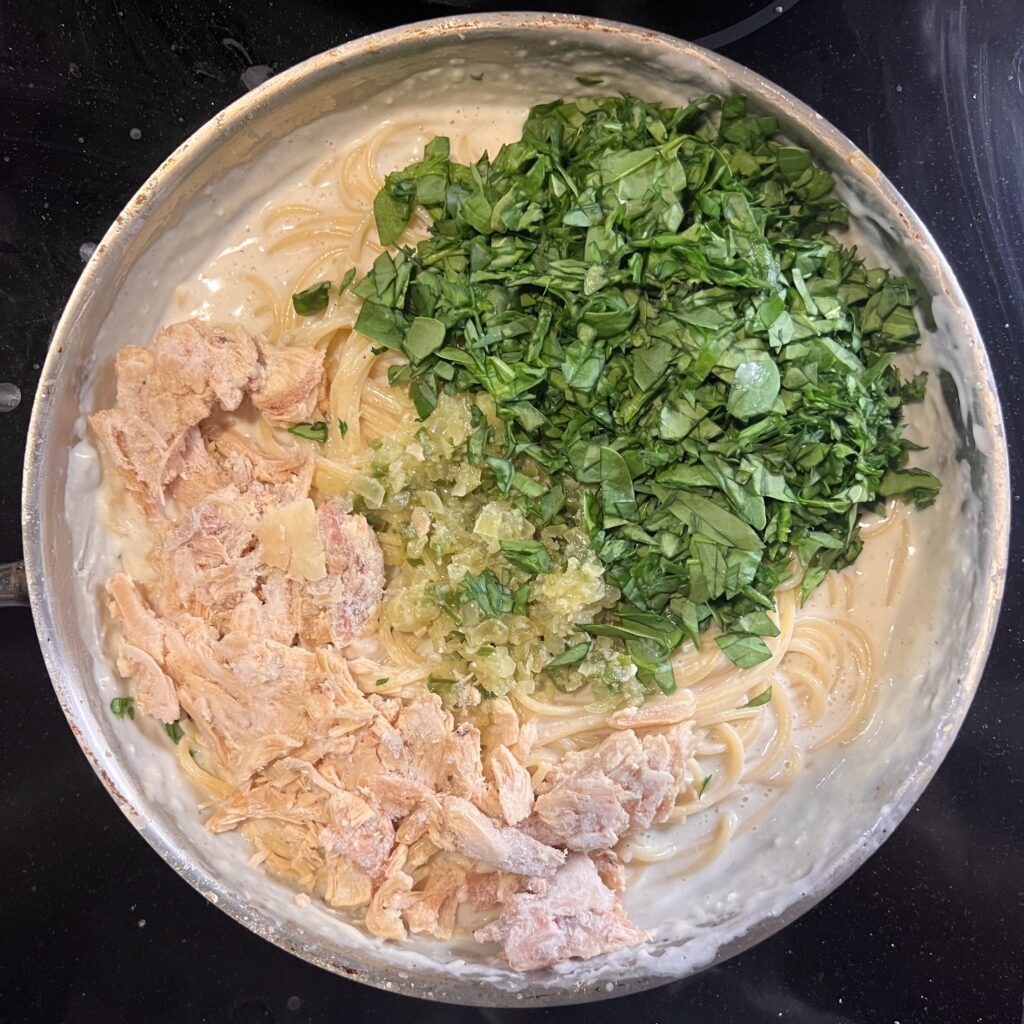
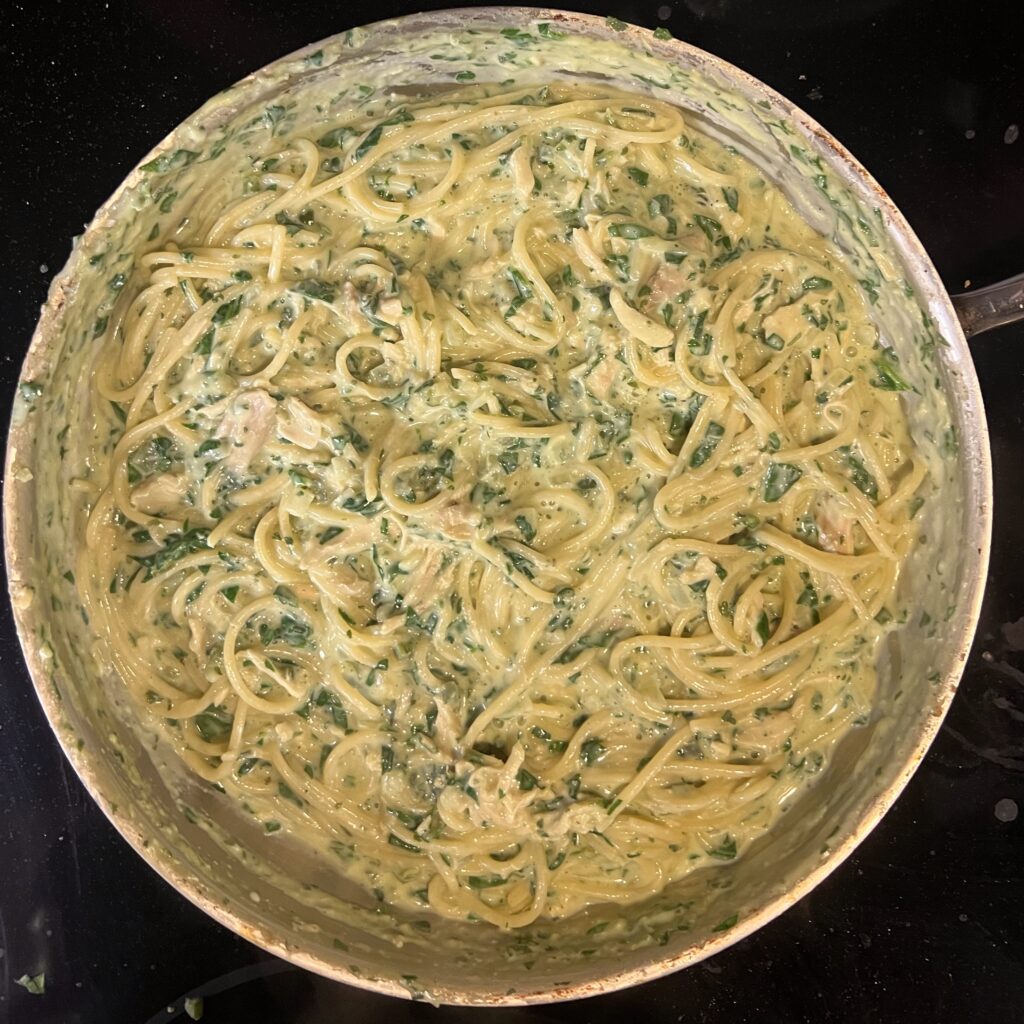
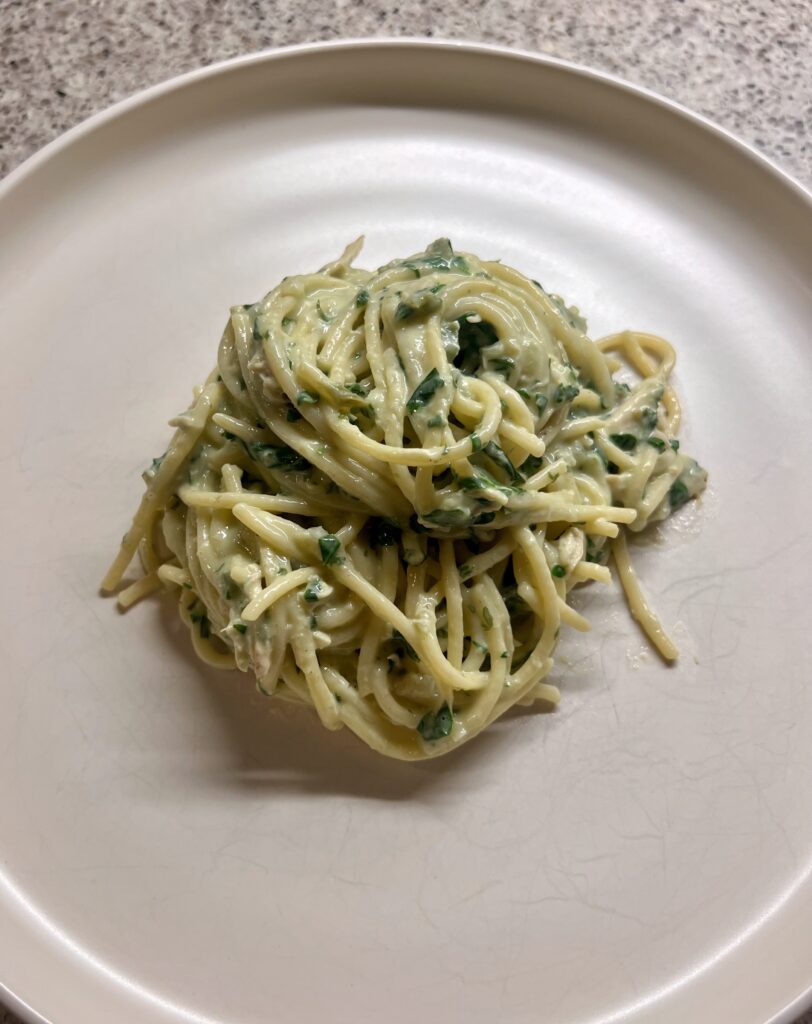
- Add the pasta, sauteed veggies, fresh spinach, and shredded chicken and mix thoroughly. Remove bay leaves before serving.
Notes:
- This sauce, sans nutmeg, makes a great base for a cheese sauce that can be used in mac & cheese, vegetable gratins, or as a quasi-queso for nachos. Just remove from heat once the milk is incorporated and stir in your choice of freshly grated melting cheese until it’s fully incorporated into the sauce – doing this off heat will ensure the sauce doesn’t break or become grainy as cheese sauces have a tendency to do.
- If incorporating pasta water into the sauce, avoid salting until the end – depending on how heavily you salt your pasta water there may be enough salt in the added water to adequately season the dish.
- The sauce will significantly thicken in the refrigerator, so don’t be afraid to add more milk or water when reheating, and re-heat over the stove for the best result.
- You can add any veggies you like when sauteeing the onion-garlic-jalapeno mix. I’ve added zucchini, asparagus, broccoli, and leeks all with great results, but feel free to add your favourite veggies!
xx
girlwhocooks