As much as I love spending time in the kitchen, having a fully stocked fridge, and experimenting with new flavours, there are days where all I want to do is order takeout, or I have to dispose of wilted or half rotten herbs and veggies that have been in the fridge too long, or a new recipe goes horribly wrong. It happens to the best of us, but over the years I have implemented these 5 easy hacks in my kitchen to help reduce my food waste and make those days where everything seems to go wrong a little easier.
Plant your green onion bottoms.
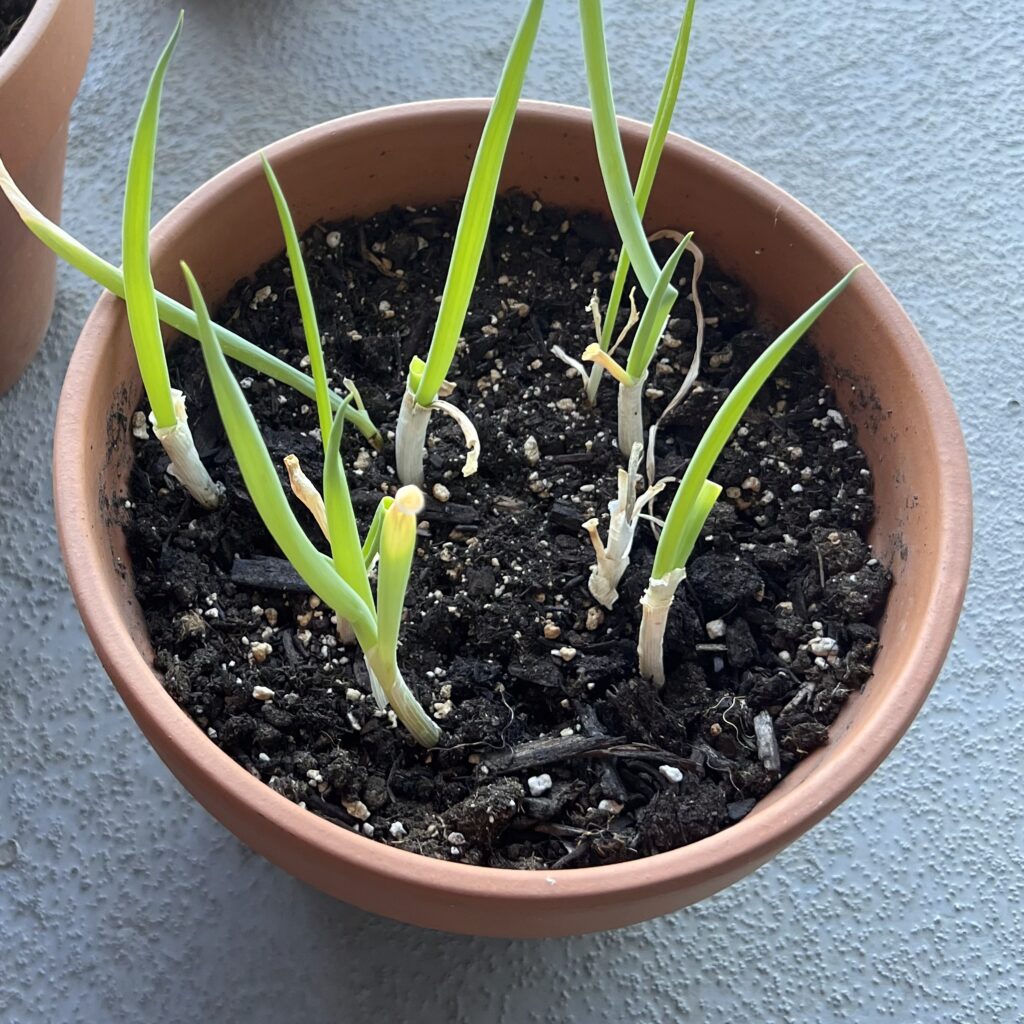
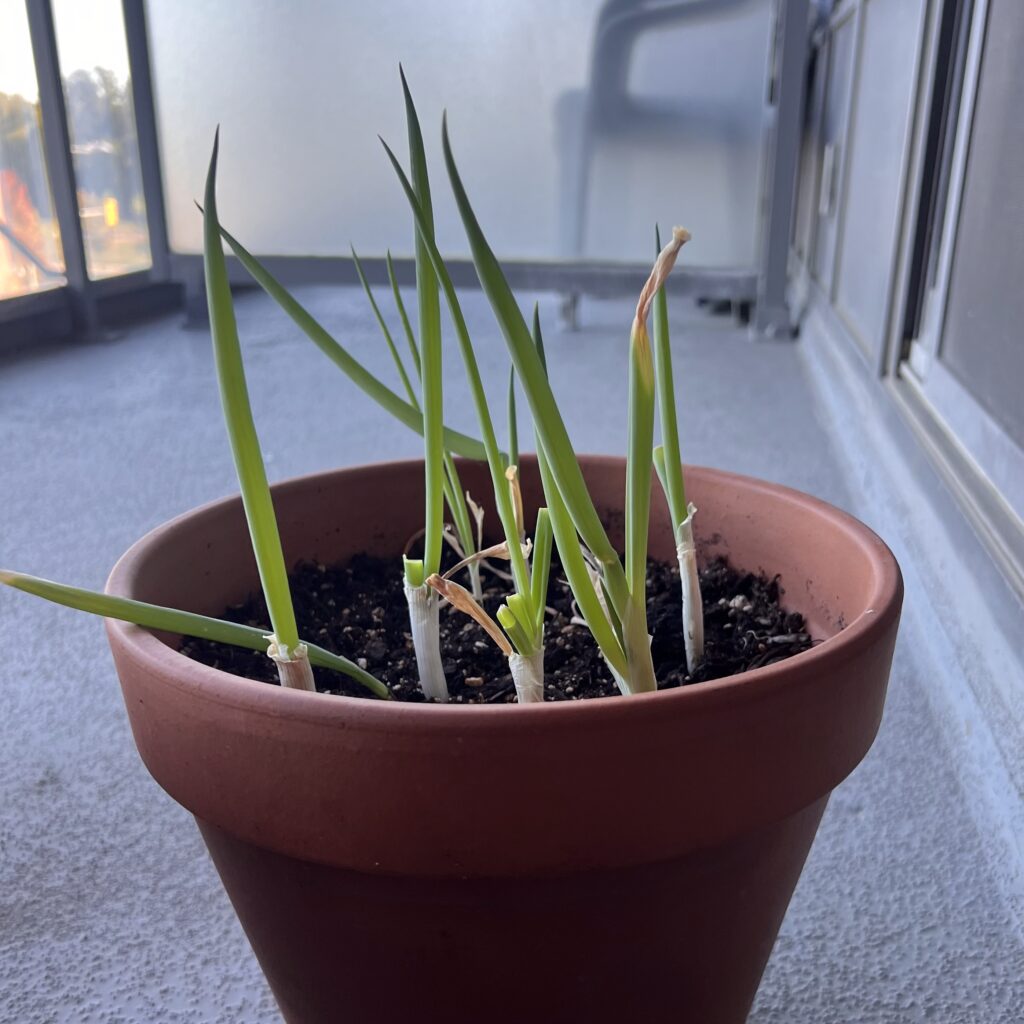
Most of you have probably heard that if you put the bottoms (with roots) of your green onions in water, they grow back exceptionally fast. And this is true – they will grow back, multiple times, in fact, but with each re-growth you’ll start to notice the flavour becoming milder and milder, the colour paler, and the walls of the onion become much thicker. This is because while the water and adequate sunlight provides them with enough nutrients and energy to grow back, the lack of soil equals lack of nutrients to the plant, and the new growth will become less nutrient dense as time goes on. By planting the green onions directly into soil, they will re-grow with the same nutrient makeup and flavour each time, leaving you with green onions that taste as fresh as the day you bought them.
You can plant them in a terracotta pot filled with regular-old potting mix and keep them on your balcony or in your garden, or plant them in a small decorative pot and keep them near a windowsill inside – they’ll grow fabulously either way.
Store your herbs in water.
I’ll be the first to admit that I have let countless bunches of herbs wilt away in my fridge after only using 1/2 the bunch in a recipe. Leaving them in the flimsy plastic bag at the bottom of my crisper drawer creates the perfect environment for them to rot away while I forget about their existence until a week or so later, when I have to shamefully retrieve the same flimsy bag, now filled with sad, floppy, yellowing herbs and relocate it to the garbage. I tried everything to make them last longer – chopping and storing that way, washing and wrapping in paper towels before placing them in a container, and even freezing the chopped herbs in blocks of olive oil to add to soups and curries at the end of cooking.
All of these options did prolong the lives of the herbs somewhat – either because they cut down on prep time or the fact that herbs suspended in oil last forever in the freezer – but by far, the best hack I tried was to just store them in jars of water in the fridge, like flowers. By storing them this way, they last weeks. This method of herb storage also has the added bonus of making the herbs actually visible in the fridge – and for me personally, if I can’t see something I tend to forget it exists, so by virtue of just seeing the herbs in my fridge I am more likely to use them before they go bad.
Freeze your recipe bases.
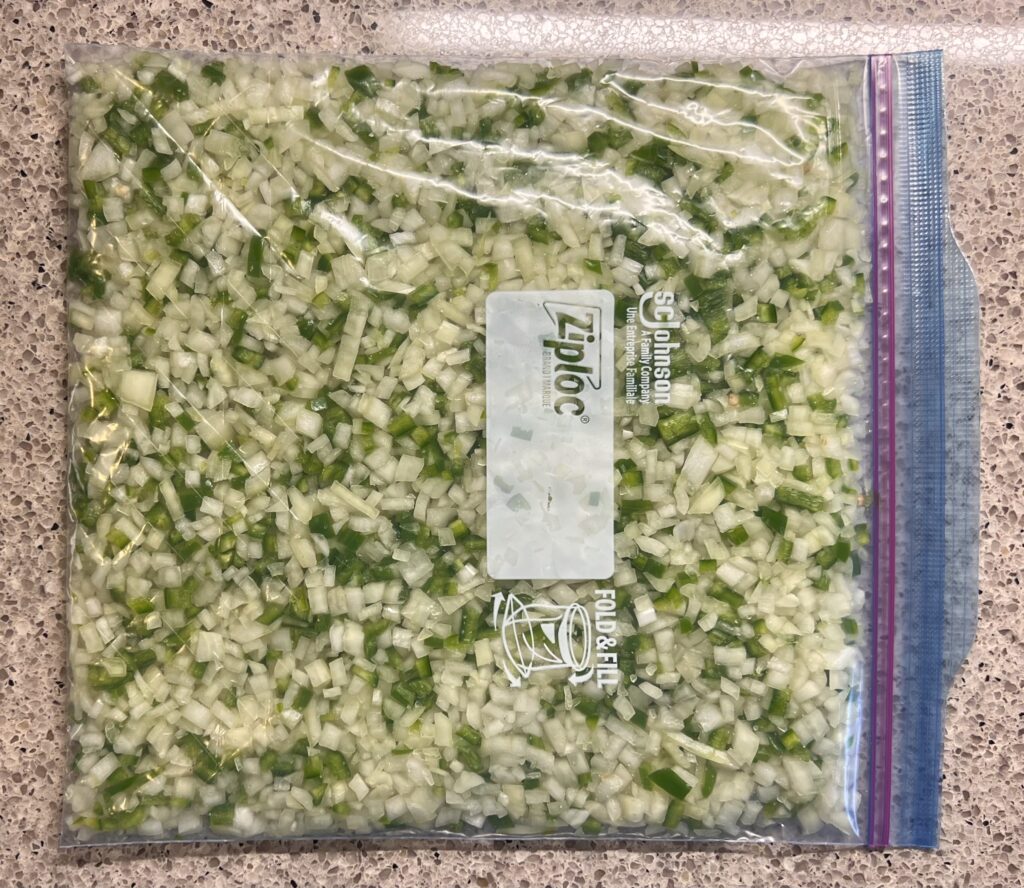
My freezer may just be my most loved appliance in my kitchen, behind my immersion blender. It is perpetually stocked with frozen leftovers, homemade pastries, sauces, and most importantly, recipe bases. Nine times out of ten, the most time consuming part of a recipe for me is prepping all of my base ingredients – garlic, ginger, onion, peppers, etc. Cleaning, cutting, and cleanup can become tedious for anyone, especially after working a full day at the office or looking after a family. And while there are countless options for frozen bases and vegetable mixes at the store, chopping and prepping your own are far superior, even if we’re just taking upfront costs into account – but there are so many other benefits.
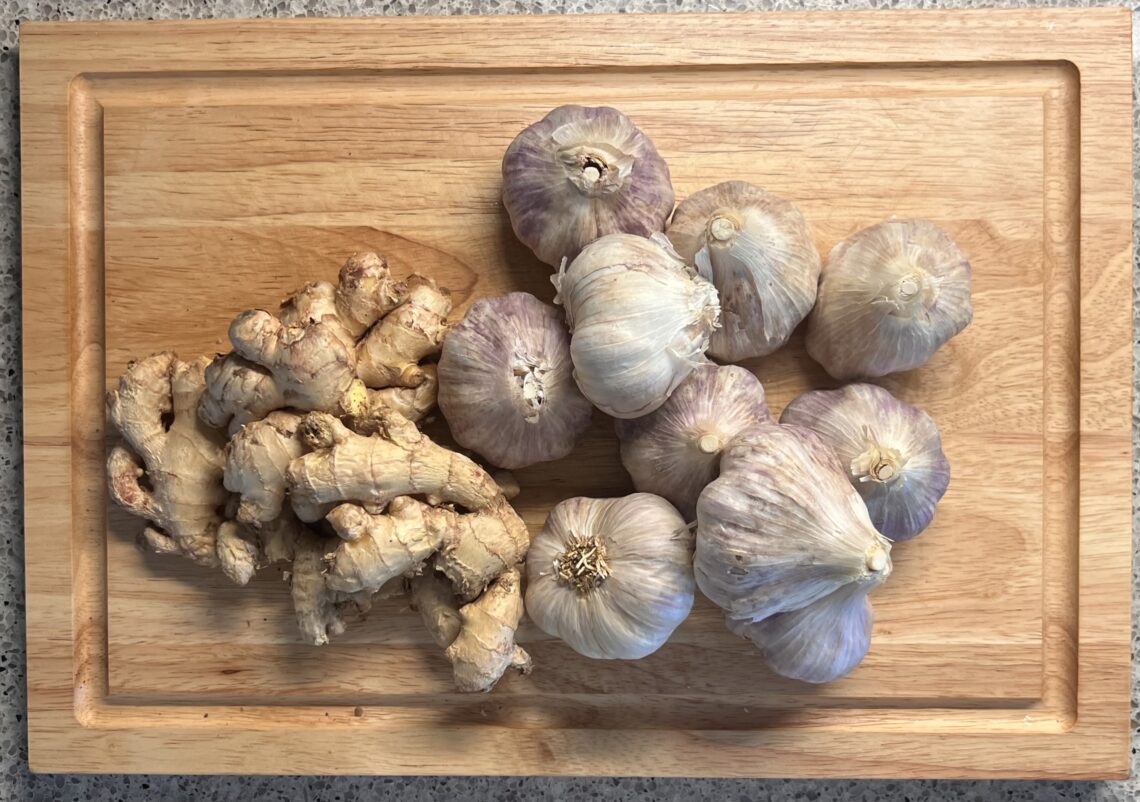
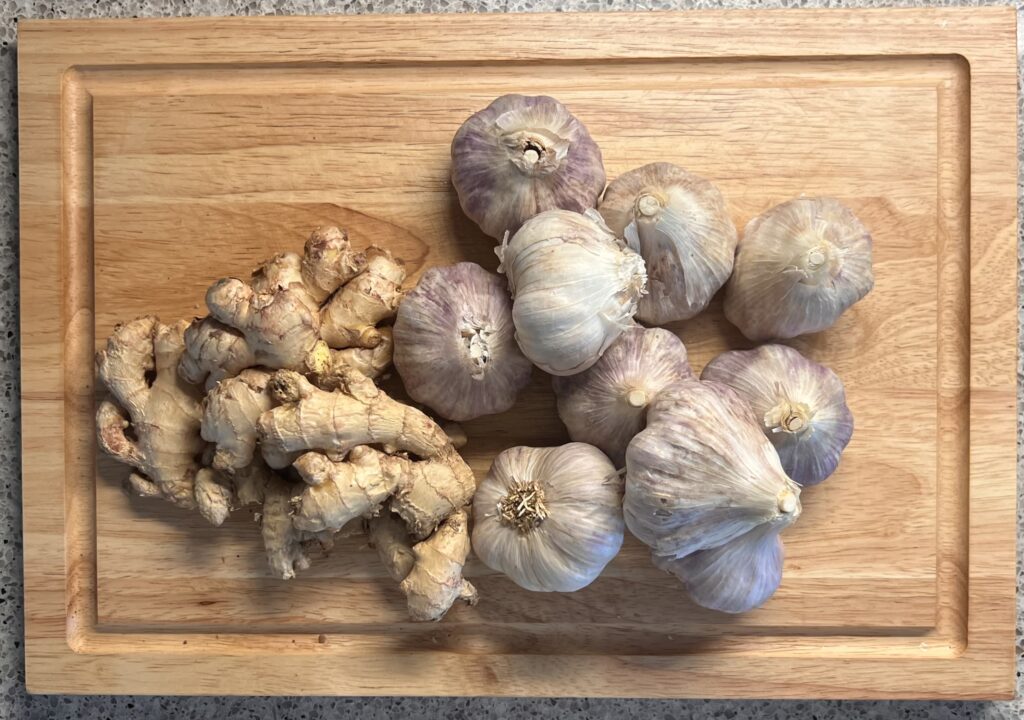
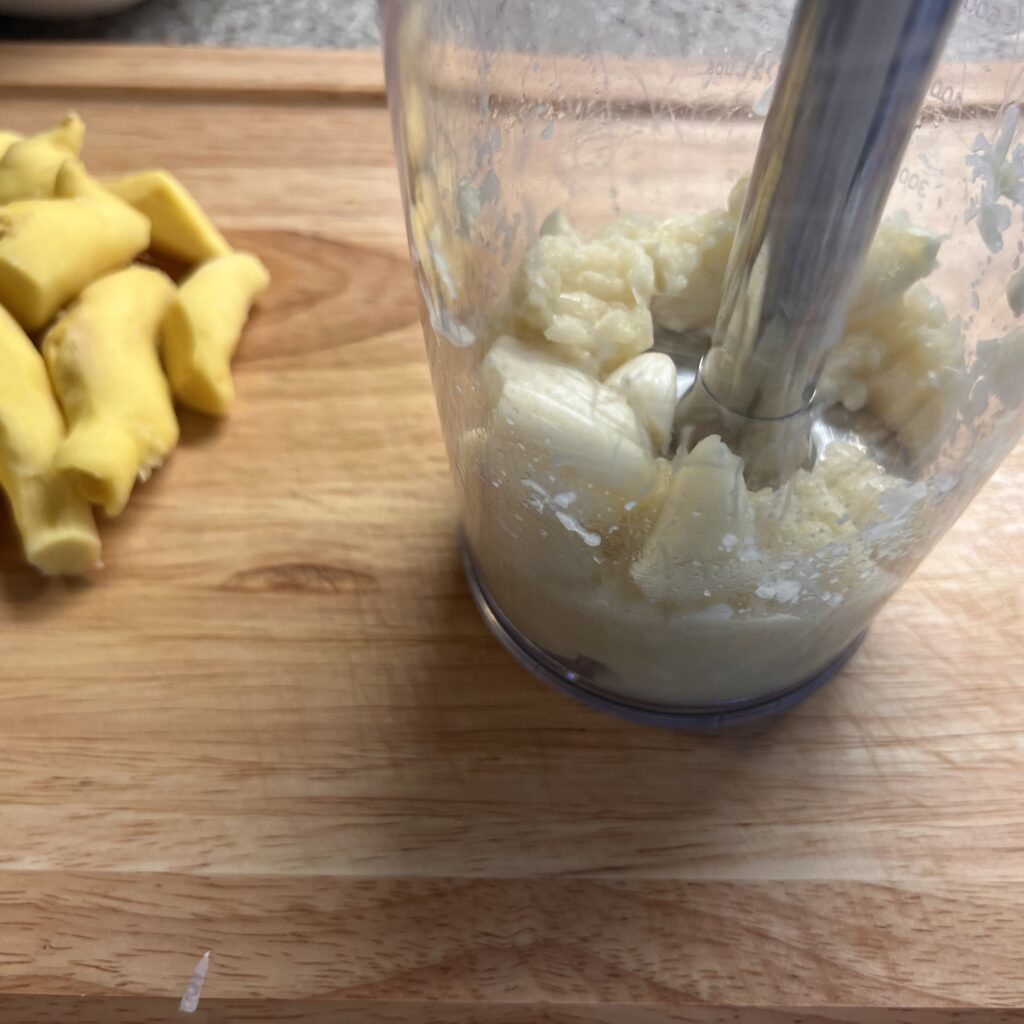
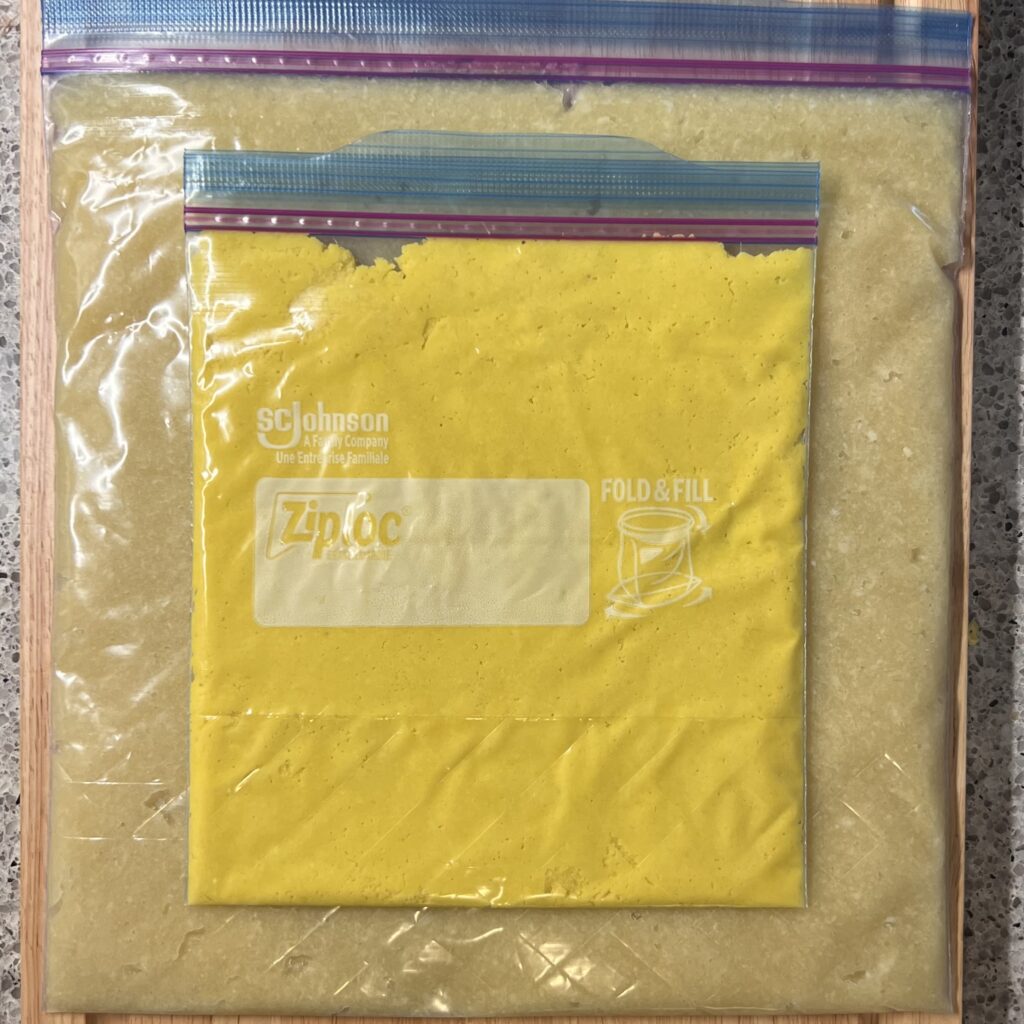
I personally love having control over the size of the dice – especially when it comes to onions. I find that chopped frozen onions that are pre-packaged tend to come in a chunkier dice, but I personally prefer a very fine dice, which can be tedious to do each time you want to cook especially if you cook multiple times per week. That work is cut out if you dedicate an hour every other month processing a bag of onions at home, leaving you with a few packs of freshly chopped onion at the ready – no need to defrost, and an added bonus is they tend to sweat down much faster than fresh raw onion. I have a similar process with garlic and ginger – simply peel, blend with an immersion blender, and flatpack into freezer bags and snap off a piece whenever needed. You can get creative with the mixes you store too, depending on what you cook – right now, I have an onion/jalapeno mix, a pepper/tomato mix, and my trusty flat packed garlic and ginger all ready to go in my freezer.
Store your produce in the fridge.
Recently online, I have been seeing a huge amount of discourse on what fruits and veg should be stored inside the fridge vs. what should be stored on the counter/in the pantry. In my house, the only three produce items that get stored out of the fridge are potatoes, onions, and unripe bananas (as soon as they become overripe they go straight in the fridge or freezer). The fact is, while it is true that some fruits and veg like tomatoes, apples, mangoes, and others do better outside the fridge, that’s only true if you’re planning to eat them within the next few days, as they will continue to ripen as they sit at room temperature. For someone like myself, living in a single person home, I simply do not go through that much fruit and veg myself and so anything that gets left out has a high chance of becoming overripe and getting thrown out. By storing fruits and veg in the fridge, you’re slowing down the ripening process significantly – to the point where they will keep for much, much longer. I’ve stored apples, pears, even avocados in my fridge for weeks at a time before eating them, and they remained perfect. At the end of the day, it’s dependant on how fast your household goes through produce – if you find yourself not being able to get through things before they start to turn, try storing them in the fridge.
Make leftovers.
Sounds contradictory, right? What I mean by this is if you’re cooking a favourite meal of yours, especially ones more on the complex or time consuming side, like your lasagnas or chillis, make extra specifically to store in the freezer for later. Having already-prepped favourites ready to go in the freezer is a gamechanger for those days where you’re craving comfort but have less than no energy to spend on cooking – just pull out that extra tray of pasta bake or an extra homemade pizza and simply pop into the oven and 20-40 minutes later you have a home-cooked favourite on everyone’s plates. I freeze both fully cooked meals and sometimes even just meal components, like meatballs, or sauces, or broths, so that depending on my energy levels I can either just press a button and throw something in the oven, or mix a few fresh components with a few frozen components to create something homemade without much effort. Portioning out and freezing your leftovers into individual portions can also help with meal fatigue – while meal-prepping is a great option for a lot of people, having individually portioned frozen meals is a great way to mix things up while also saving you time in the kitchen.
Since applying these 5 simple hacks in my kitchen, I’ve been able to cut down on food waste, save myself some time on those busy days where cooking feels like an impossible task, and order take out maybe once every couple of months thanks to my freezer stash. These tricks are so easy you can start implementing them today with minimal effort using products you likely already have at home, and the payoff is worth it tenfold. So grab a pot and some green onion bottoms and get to work!
xx,
girlwhocooks

