If there was one appetizer I had to limit myself to for the rest of my life, I would pick these flat, Pakistani-style potato (aloo) pakoras, coated in a besan (chickpea) flour batter and seasoned with cumin, chilli, and other traditional asian flavours. Not only are they incredibly easy to make, but they require very few, simple ingredients, are naturally gluten free, and take about 20 minutes to make from prep to plate.
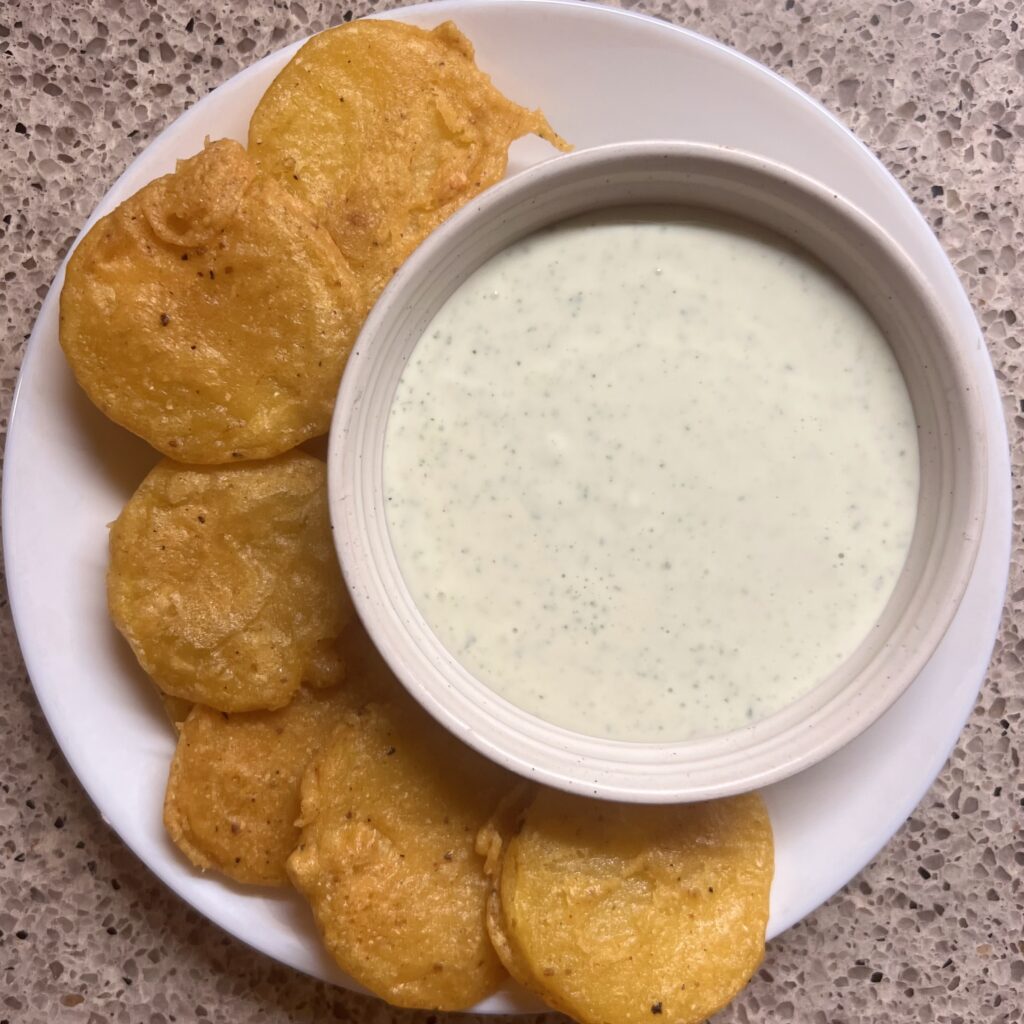
Pakoras are a type of seasoned fritter, made of either vegetables, meat, or fish coated in a thick batter and deep fried. They’re a very popular street vendor food across Asia, as well as staple in Asian households across the world thanks to their customizable nature. While potato, or aloo, pakoras are one of the most popular iterations, you can just as easily substitute the potato with almost any other vegetable, some of the more common options being onions or eggplant without changing the batter or cook time.
While the recipe itself is fairly simple, there are a few key steps you can include into the prep process to make sure the final dish is perfectly crisp, flavourful, and addictive. The first is making sure your oil is hot enough, and bringing your oil up to temp safely. The easiest way to achieve this is to set your oil over a low-medium heat before you begin any prep, to slowly bring it close to the target temp of 375 degrees fahrenheit, and once you’re ready to fry, bringing the temp up to medium so the oil heats to slightly above the idea fry temp as it will drop once you add your pakoras into it. If your oil is too cold, the pakoras will absorb a lot of the oil and turn out greasy, and if the oil is too hot you risk burning the outside before the insides have had a chance to cook.
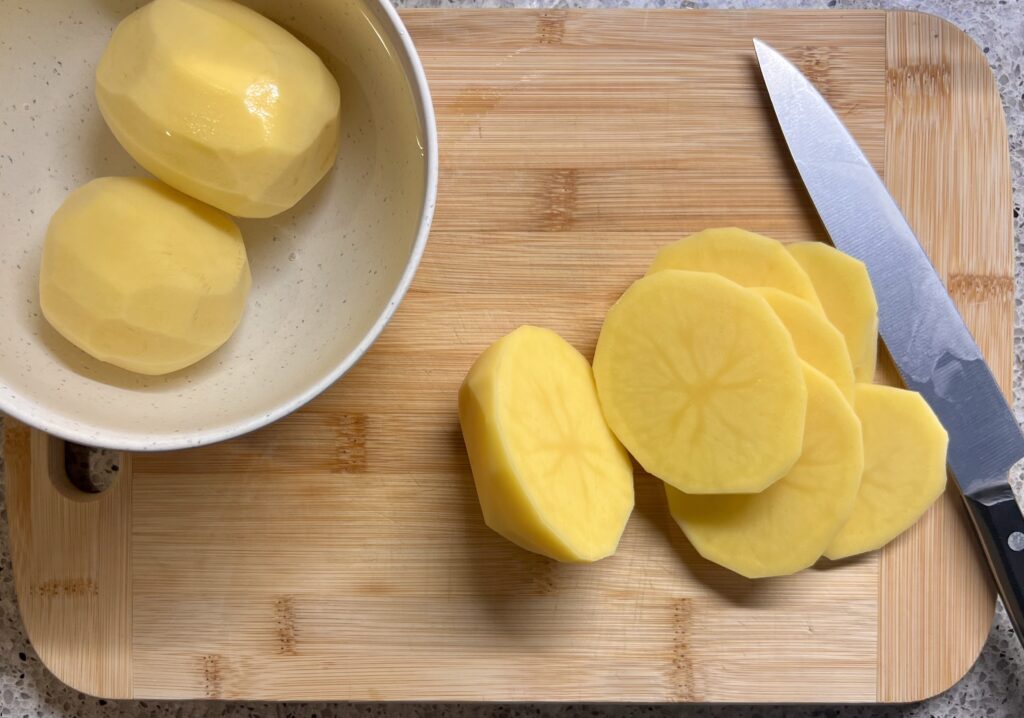
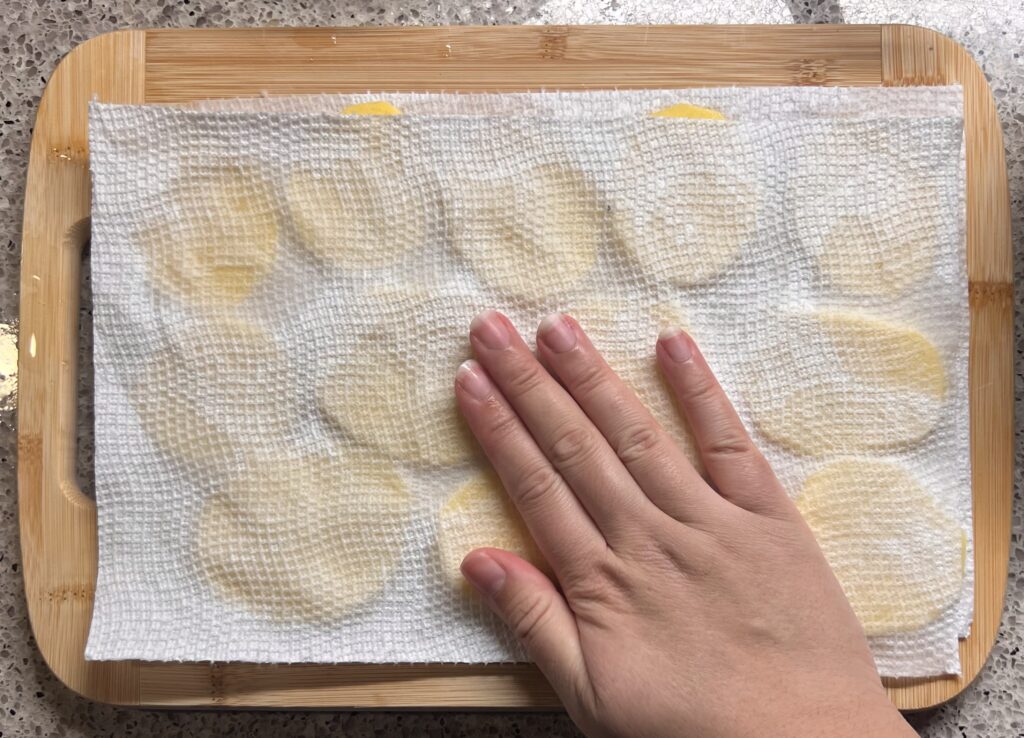
While your oil is heating, start working on the potatoes. When you’re prepping your potatoes, keep them in a bowl of cold water to prevent oxidizing and keep them crisp – while oxidized potatoes won’t taste any different, they will look slightly browner and offputting, taking away from the visual experience of eating the pakoras. Once you have your bowl of prepped potatoes, you’ll need to thoroughly dry them off, using either kitchen towel or a clean cloth before dipping them in the batter. If you try to dip the potato into the batter directly from the water, the batter will slide off and you won’t get the same signature shell of batter around the finished pakora.
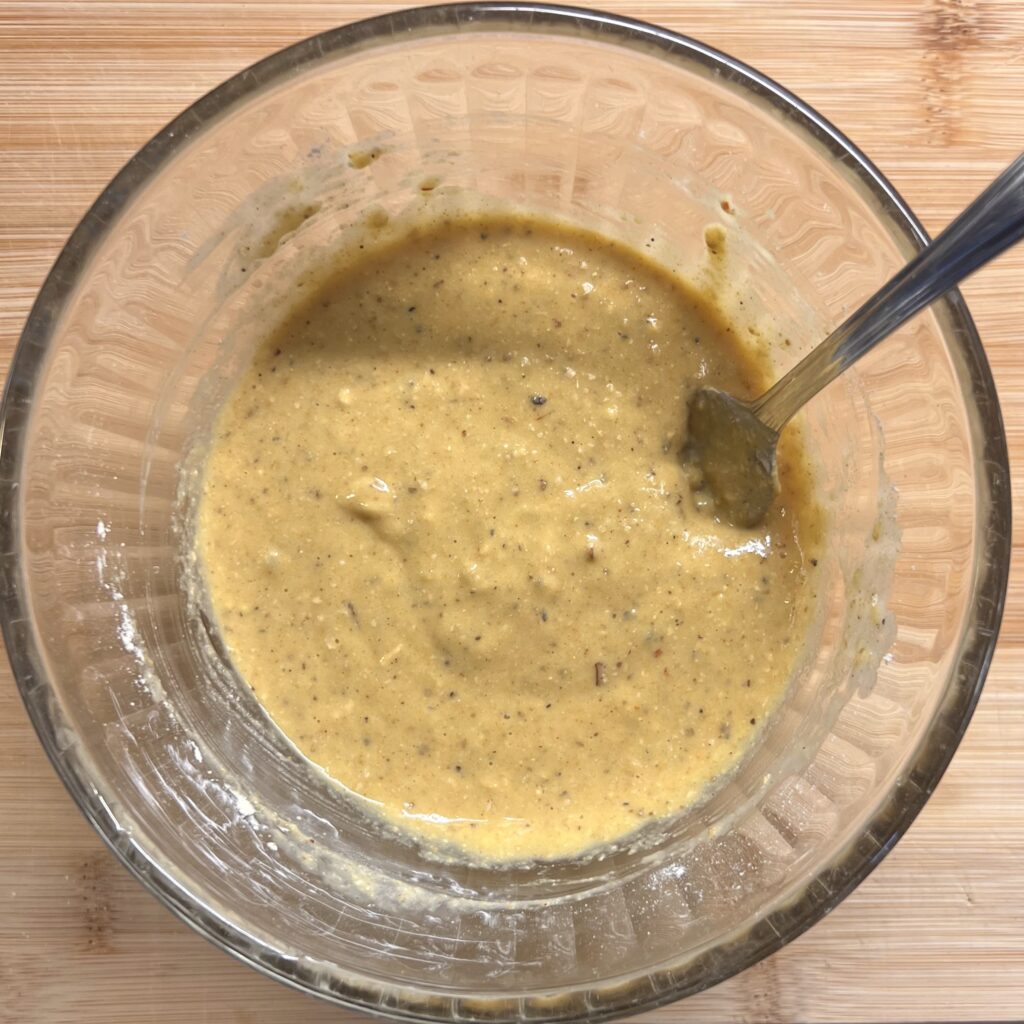
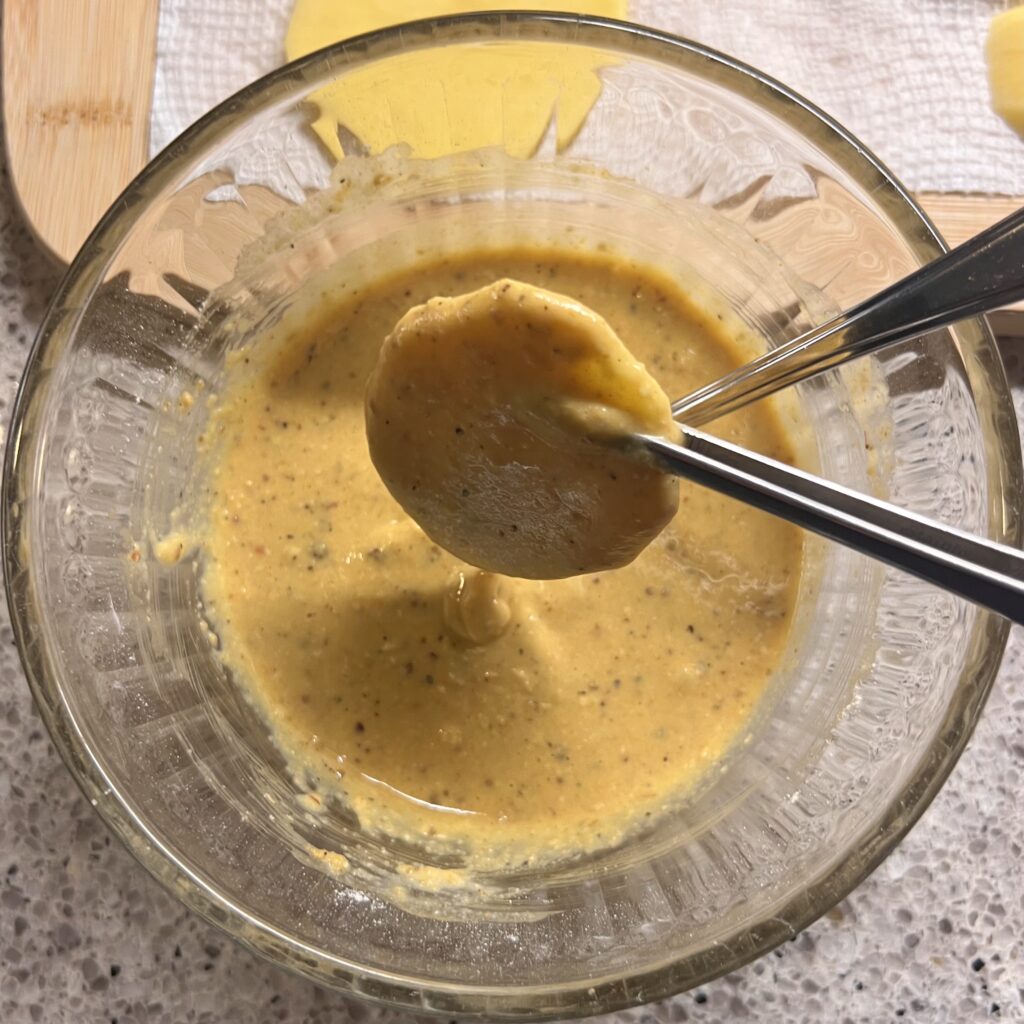
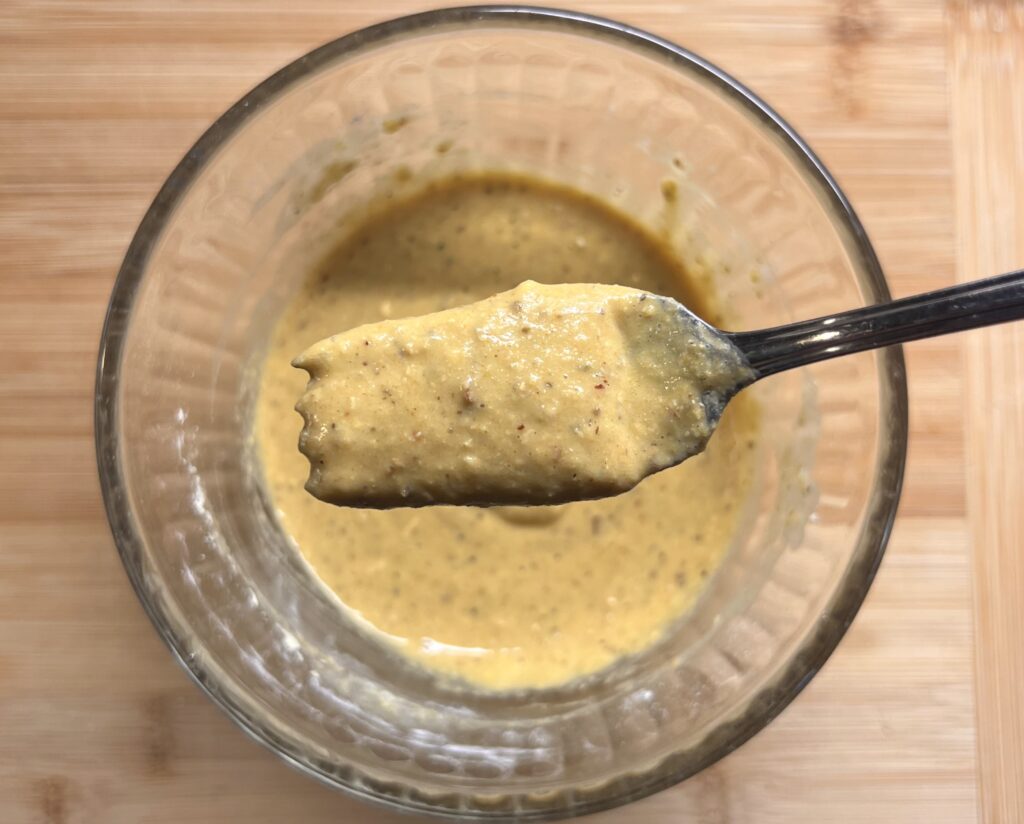
You can also adjust the amount of water in the batter depending on if you like a thicker, almost cake-like batter (using a 1:1 ratio of flour to water) to a lighter, crispier tempura-like batter (1:1.5 ratio of flour to water). I generally start with a 1:1 ratio and add splashes of water until I get the consistency I like.
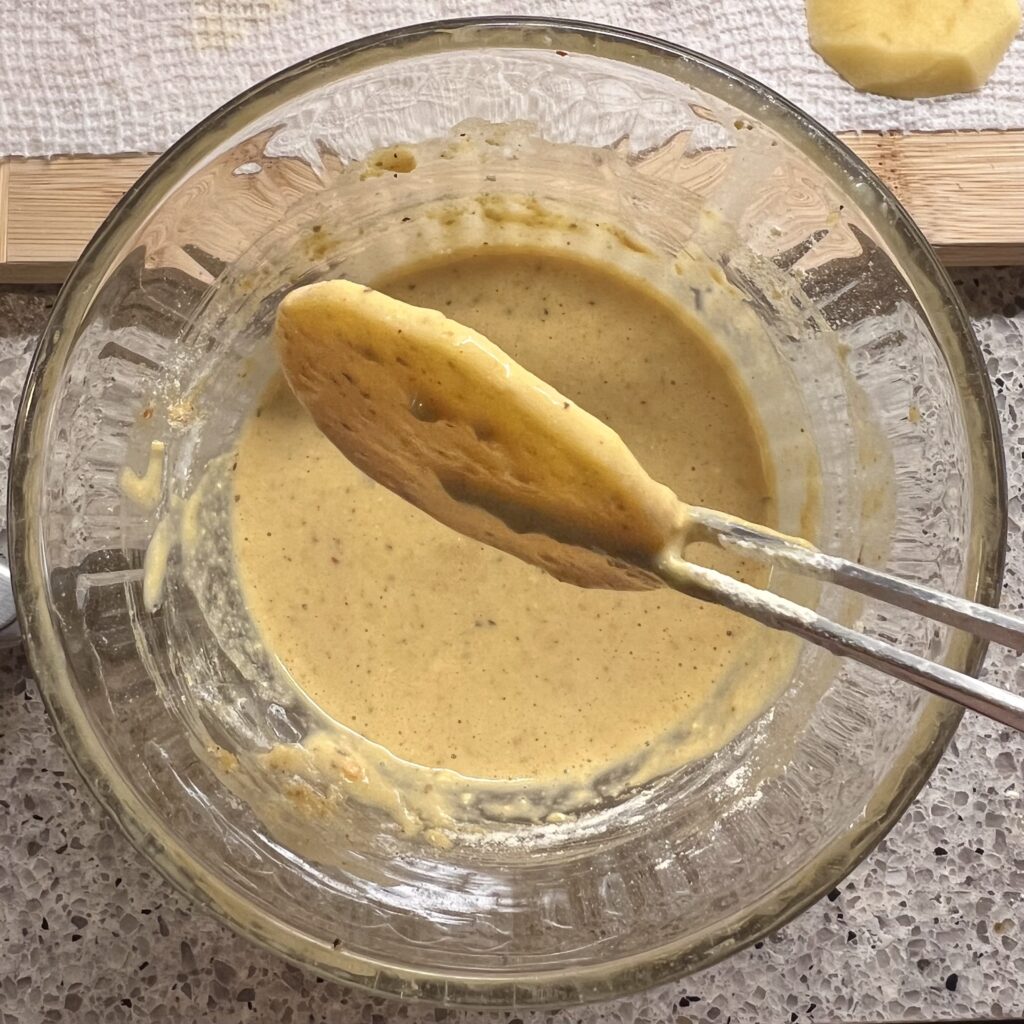
When frying the pakoras, be sure not to add too many to the pan at once, as you need to leave them sufficient room to slightly puff and crisp. Leaving about a half inch of room between each pakora in the pan is a good rule of thumb to follow. Once the pakoras are in the pan, fry them for about 2-3 minutes per side, until they are golden brown all around and the potato inside is soft all the way through. To ensure each pakora is properly cooked, I usually start with battering the thickest, biggest slices first and dropping them into the oil before working with the smaller pieces, and then starting that countdown once the last pakora is dropped in. This ensures that the largest pakoras cook for slightly longer than the smaller ones, making sure they get enough time in the oil to soften all the way through.
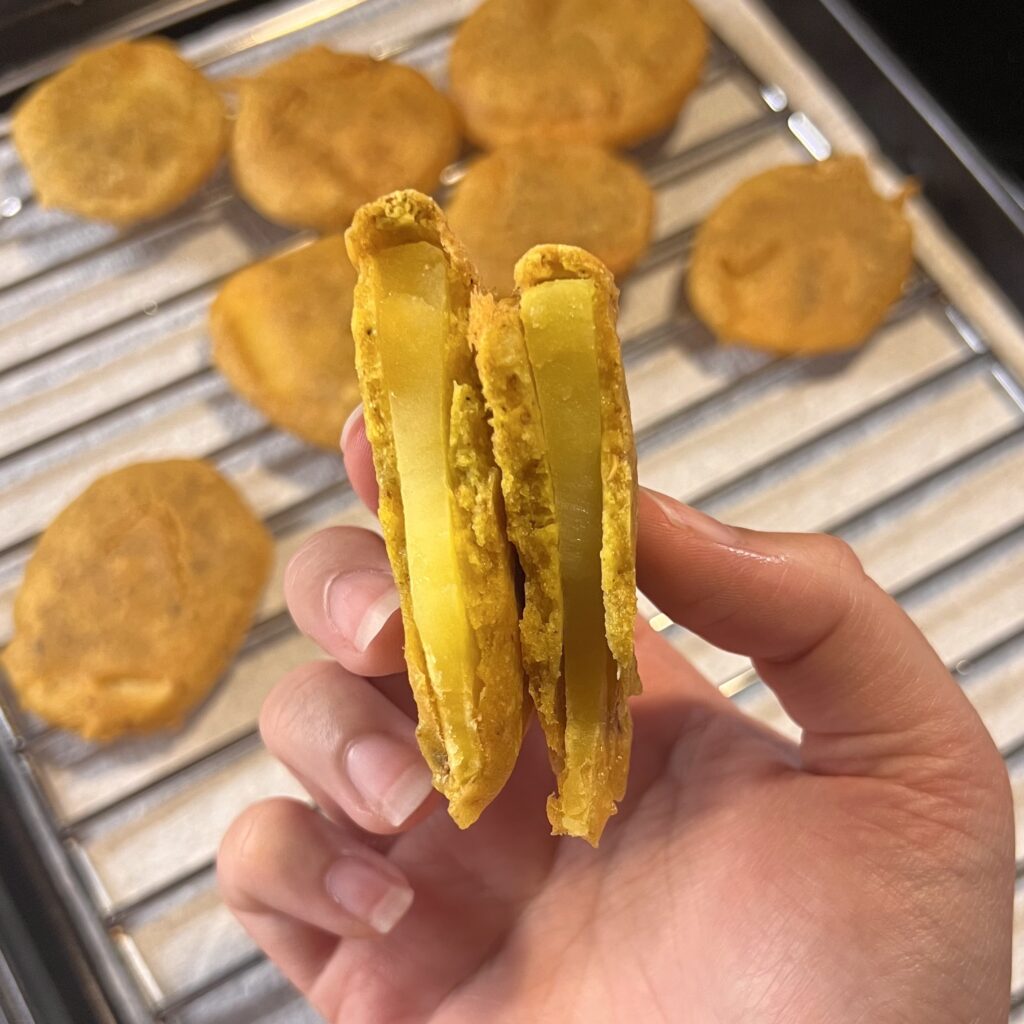
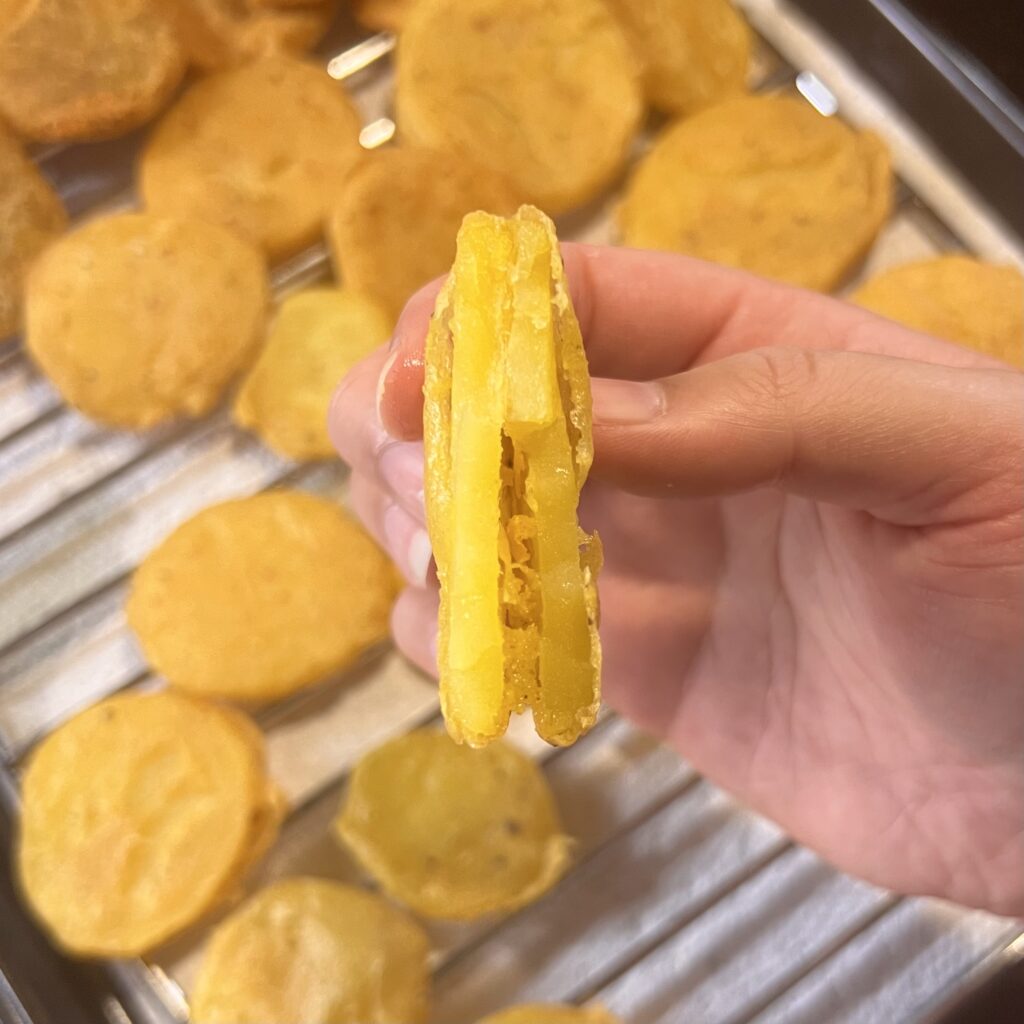
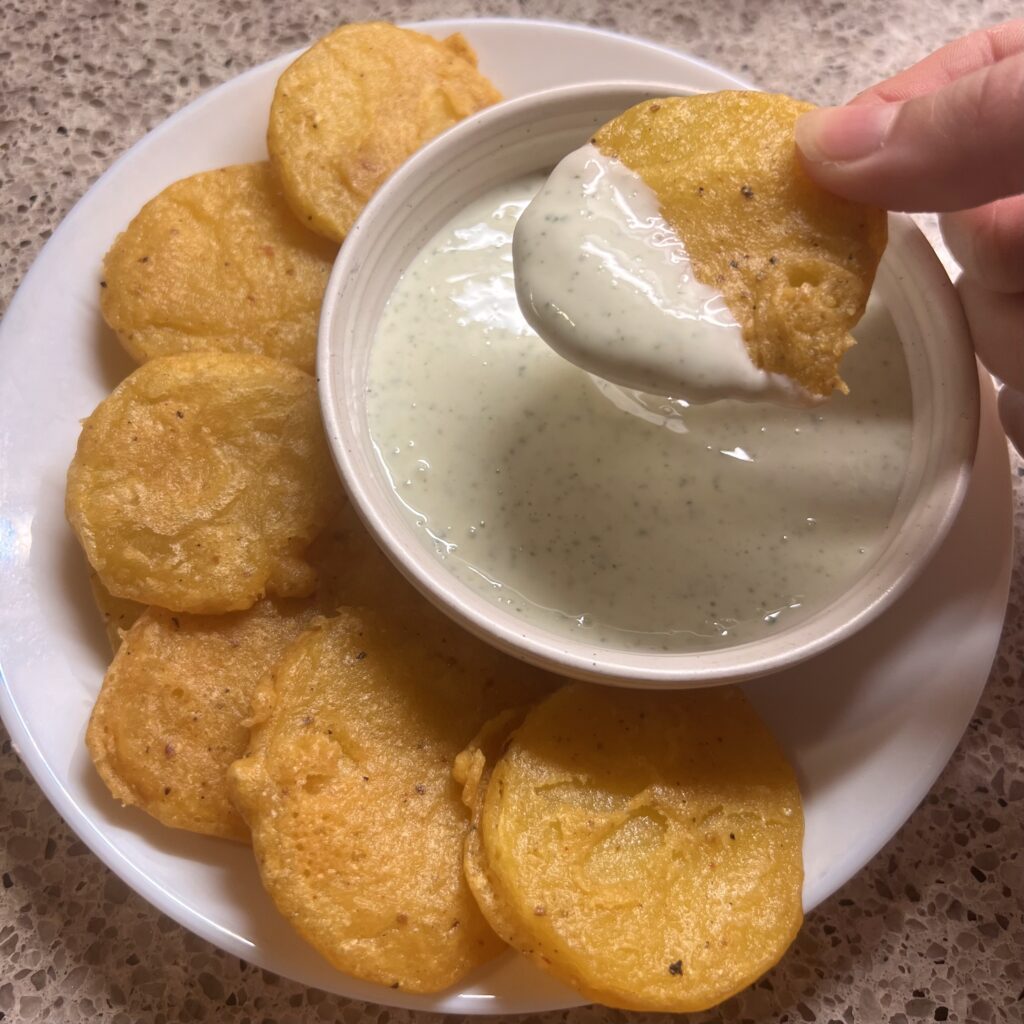
Once cooked, remove them from the oil with tongs or a spider, and let the oil drain for a few seconds before putting them on a wire rack with a lined baking sheet under it to catch any oil drips. These are best served immediately, usually alongside a variety of chutneys (mint, tamarind, or green chilli), however I love serving these alongside a cooling mint yogurt for dipping. They are perfectly crisp, spiced, and a guaranteed hit at any dinner table!
Ingredients:
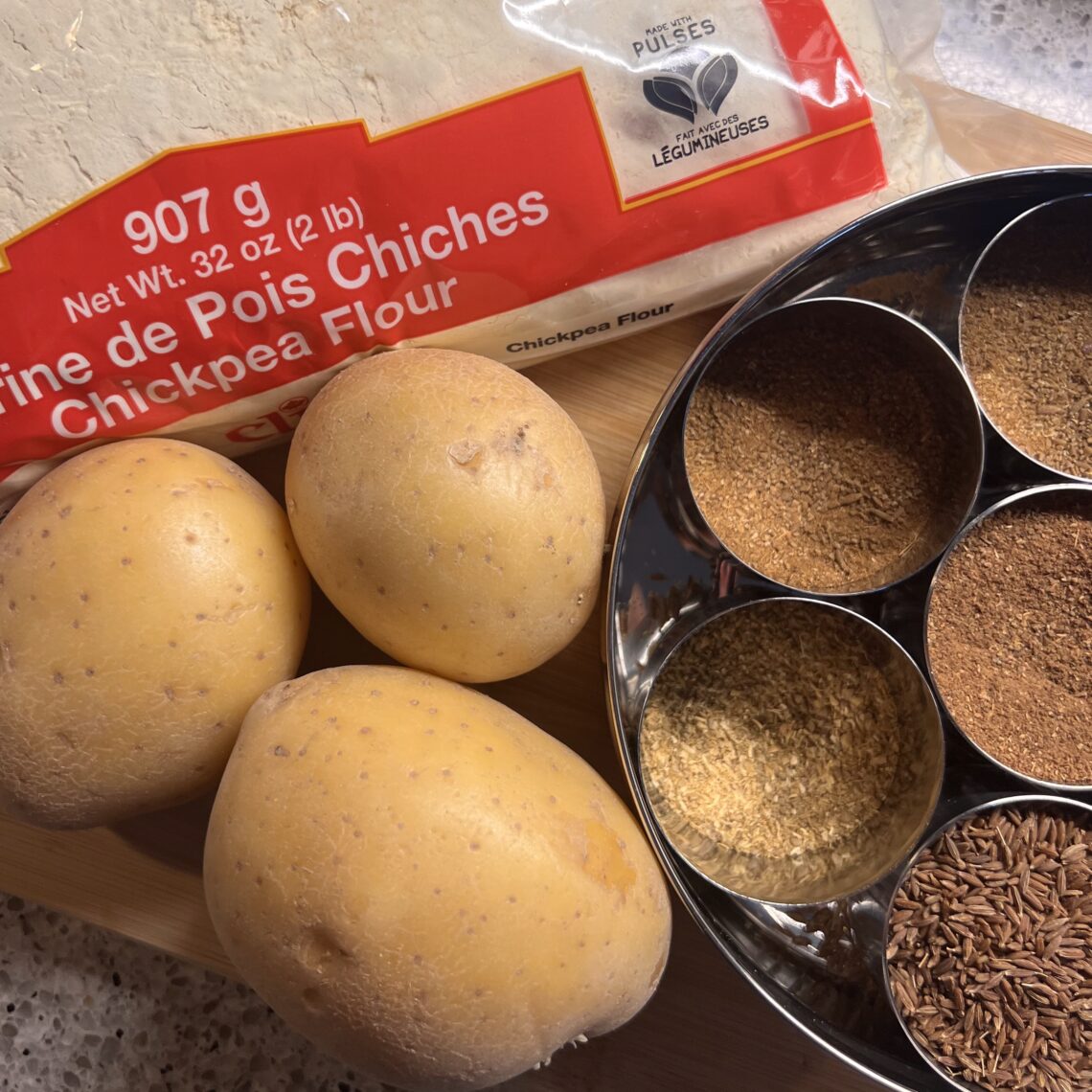
3 small yukon gold potatoes
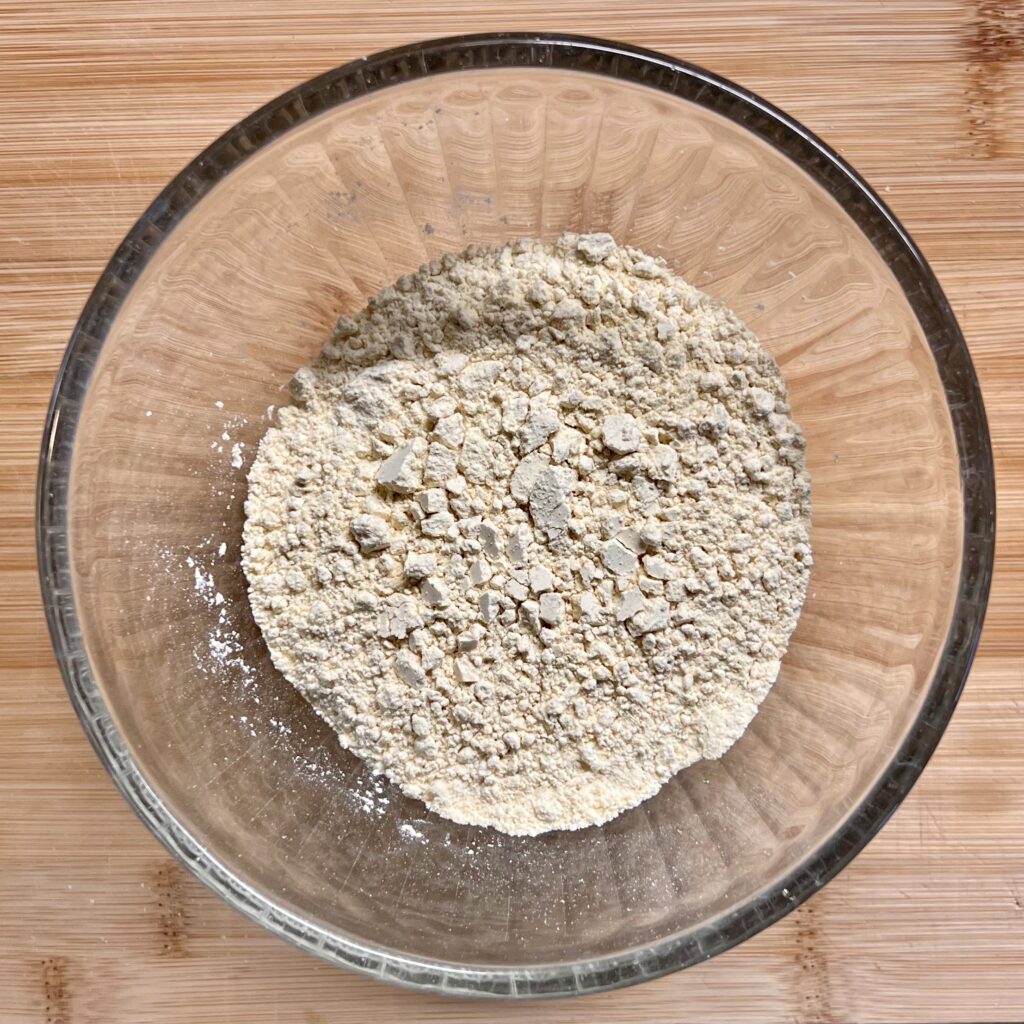
1 cup besan (chickpea flour)
1-1.5 cups cold water
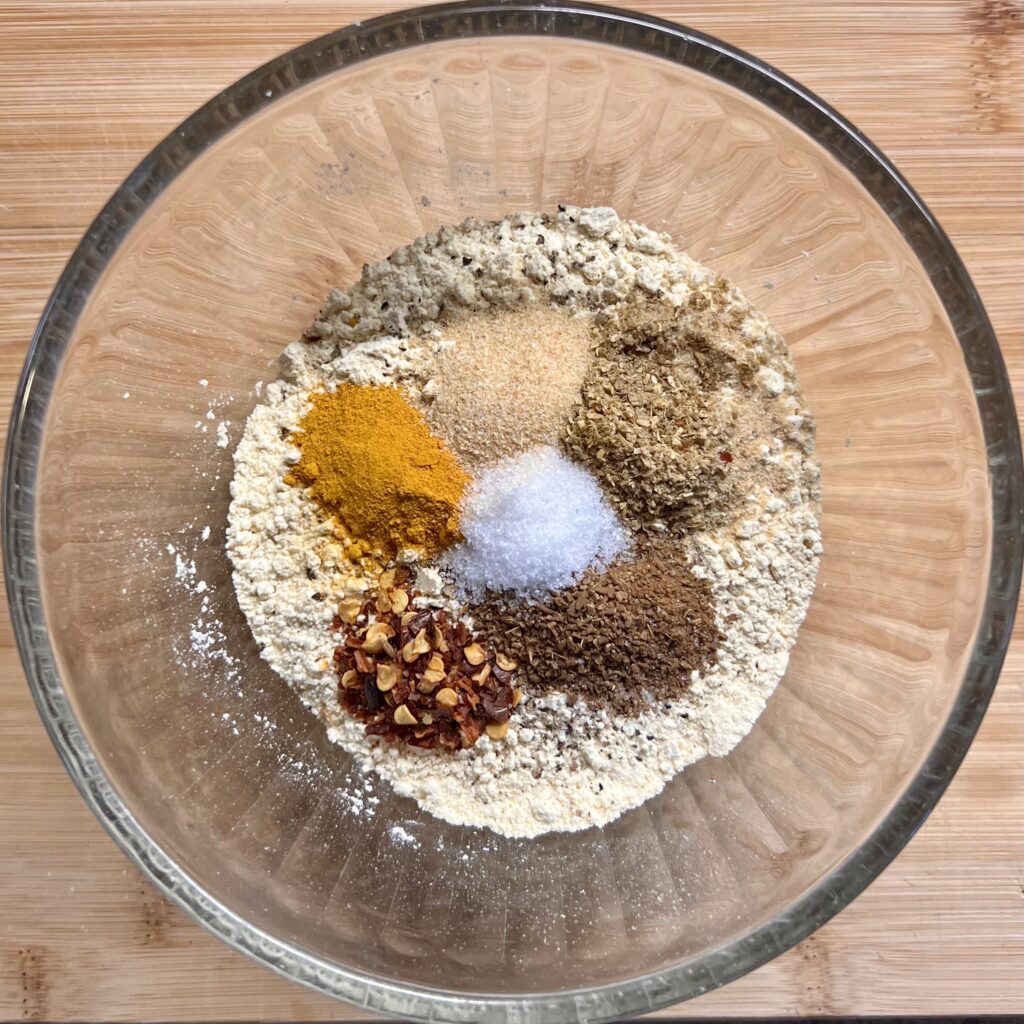
1 tsp cumin powder
1 tsp coriander powder
1 tsp turmeric
1 tsp black pepper
1 tsp salt
1 tsp chilli flakes
Oil for frying
Method:
- Add your oil to a frying pan and set over a medium-low heat. Do not fill the pan more than halfway with oil.
- While the oil is heating, peel your potatoes, wash them and set them in a bowl of cold water. Slice each potato into 1/4 inch thick slices and return to the water.
- In a small bowl, add your besan and spices, mix thoroughly.
- Once combined, add your water, starting with 1 cup, and gradually add more until the desired consistency is reached.
- Increase the heat on the oil to medium and heat to 350-375 degrees fahrenheit.
- Remove the potatoes you are going to fry, leaving the remaining potatoes in the water, and thoroughly pat dry. Dip each potato slice in the batter, letting the remaining batter drip off for a few seconds before carefully adding to the hot oil.
- Let fry on one side for 2-3 minutes, and then flip and cook for an additional 2-3 minutes, until the potato is cooked through.
- Remove from oil, and let drain for a few seconds above the pan before adding to a wire rack set above a lined baking sheet.
- Serve immediately.
Notes:
- My preferred potato for these pakoras is a yukon gold, as they have a buttery, soft texture once cooked that complements the strong flavours of the batter. You can use russets instead if desired.
- If using yukon golds, you can keep the skin on or off the potato, but if using russets I would advise peeling the skin as it’s slightly thicker and more fibrous.
- I almost always cook a test pakora to check the seasoning, batter consistency, and oil temperature are where they should be. The batter is very easy to work with, and flour, seasonings, and water can be added as needed to get your desired result.
- The thicker batter is typically used in a dumpling style pakora, in which the vegetables are thickly diced and stirred directly into the batter, and then spoonfuls of the mixture are dropped into the hot oil. If opting for this style of pakora, I advise using a pot to fry in and frying for slightly longer at a lower heat – the pakoras will be slightly darker but need the longer cook time to cook all the way through.
xx,
girlwhocooks